THE CONTINENTAL
TOP STORY · FOOTBALL & CONTROVERSY
Portugal seeks a Ronaldo truce. Has the damage already been done?
A reported reconciliation plan puts the captain’s future and the coach’s authority back in focus.

Portugal’s dispute with Cristiano Ronaldo has entered a new phase. GOAL reported on 2 October, citing Marca, that the Portuguese Football Federation intends to bring the captain and coach Jorge Jesus together for talks. The reported aim is to resolve their disagreement and prevent an unhappy conclusion to Ronaldo’s international career. A meeting has been proposed, but the report does not establish that reconciliation has happened.
The immediate background is clearer. Reuters reported that Ronaldo left the national team’s Copenhagen camp on 30 September after the coach’s press conference and a conversation with federation president Pedro Proença. Jesus acknowledged that Ronaldo had been angry about remaining unused against Norway, while denying that the player had refused to train. Ronaldo said he would explain his reasons later. Neither that statement nor his departure confirmed retirement.
The Continental’s view is that an attempt at reconciliation would be sensible. A coach needs authority over selection, including the freedom to leave a famous player on the bench. A captain with an extraordinary record deserves a direct conversation about his role. Those responsibilities can coexist. Allowing the disagreement to become a public contest over who commands greater loyalty would make both harder to fulfil.
The record explains the scale of the attention. UEFA’s statistics, updated on 24 September 2026, list Ronaldo with 146 international goals and 234 appearances. Its record book also credits him with 14 goals at European Championship finals, 140 Champions League goals and 183 appearances in that competition. He won five Champions League titles. These are achievements across international and club football, accumulated over a career that has repeatedly extended the limits of longevity.
Yet the argument cannot be settled by totals alone. Selection concerns what a team needs in its next match. Recognition concerns what a player has contributed across many years. Confusing the two creates an impossible choice between respecting a career and managing a squad. Portugal should be capable of doing both, with expectations explained privately and decisions presented publicly without unnecessary provocation.
GOAL describes a softer approach by the federation following its initial statement that preparations would continue with the remaining squad. That is a reported change in approach, rather than proof that either Ronaldo or Jesus has surrendered his position. Supporters should be wary of declarations that one side has already won. Until the parties speak, important details about any agreement remain unknown.
For Ronaldo, the next statement could matter as much as the departure. For Jesus, the challenge is to maintain a workable relationship while preserving responsibility for the team. The federation has an interest in a resolution that lasts beyond one reassuring announcement. Portugal’s supporters deserve clarity about selection, availability and the captain’s future. The proposed talks offer that possibility. Whether they deliver it will determine if this episode becomes a temporary rupture or a turning point that neither side can reverse. A meeting alone will not repair trust. Any settlement must give the player, coach and squad a clear understanding of what happens next.
India roars to gold: Abhishek, Tilak and the bowlers conquer Pakistan

India has its gold, and it came with a victory over Pakistan that demanded both attacking ambition and composure. In the Asian Games men’s cricket final on 3 October, India made 211 for six and held Pakistan to 192 for six, winning by 19 runs. The result retained the men’s title and completed India’s cricket double after the women had already won their competition. For Indian supporters, this was a finish worth celebrating, with the batting and bowling sharing the honours.
Abhishek Sharma supplied the first major statement. His 61 from 28 balls included three fours and seven sixes, a strike rate of 217.86. Those boundaries accounted for 54 runs, showing how strongly he attacked the bowling. In a final, an innings at that pace changes the task for everyone who follows. India could build on runs already scored quickly, while Pakistan had to balance taking wickets with preventing another burst. Abhishek gave the innings its early force and a substantial foundation.
Tilak Varma then provided a finish of exceptional value. He remained unbeaten on 51 from 22 balls, striking three fours and four sixes at a rate of 231.82. His contribution mattered beyond the fifty itself. India needed someone to carry the attack through the closing stages, and Tilak stayed until the end. Shivam Dube’s 27 added another useful contribution. Together, the late batting gave India a total that required Pakistan to sustain a demanding chase rather than settle for a comfortable recovery.
The bowlers still had a serious job to do. Axar Patel and Washington Sundar each finished with two wickets for 29 runs from four overs. Their combined return was four for 58 across eight overs, a rate of 7.25 runs an over. Against a required rate above ten, that control was significant. Dube added two wickets for 33 from three overs, completing the six dismissals shared by those three bowlers. Jasprit Bumrah conceded 33 in four overs, contributing another spell that kept scoring below the original asking rate.
Pakistan nevertheless made India work for the result. Hasan Nawaz scored 96 from 51 balls, with five fours and seven sixes, and Saim Ayub contributed 29. Nawaz’s innings kept the contest alive and deserves recognition in any honest account of the final. India’s achievement becomes clearer when the strength of that resistance is acknowledged. The bowlers had to contain a batter who was scoring freely, preserve their discipline and finish the defence rather than rely on the size of the first innings.
The medal belongs to a team whose leading contributions came at different stages. Abhishek attacked, Tilak finished, and Axar, Washington and Dube supplied the wickets. India’s men have defended their Asian Games crown, while the women’s gold makes the tournament a shared national success. The final score leaves a clear record of the day. India scored more, defended better and earned the podium’s highest place. Gold was the reward for a complete performance under the pressure of a major final. Indian cricket had delivered once again.
Scandals & Controversies

Cornell assault allegations: prosecutors reopen investigation
A civil lawsuit brings renewed scrutiny to a 2024 incident.
READ THE REPORT / FEATURE
ABC News reported on 29 September that prosecutors in central New York were reopening an investigation into alleged sexual assault at a Cornell University fraternity in 2024, following a civil lawsuit filed in September. A student alleges that seven fraternity members assaulted her. The reopening is a decision to investigate, not a finding of guilt.
The case raises questions about the handling of complaints and the relationship between a civil lawsuit and a criminal investigation. Those processes have different purposes and standards. This report does not identify the complainant or reproduce graphic allegations. No later charging decision is asserted here.
Pornhub-linked companies obtain dismissal; plaintiffs may amend claims
A recent court order turns on jurisdiction and pleading requirements, with leave to amend.
READ THE REPORT / FEATURE
In a 28 September order in Jane Doe Nos. 60 through 121 v. Aylo, US District Judge William Q. Hayes granted a motion to dismiss the amended complaint. Claims against Aylo Holdings were dismissed for lack of personal jurisdiction. The complaint against all defendants was dismissed for failure to comply with Federal Rule of Civil Procedure 8, and California trafficking-law claims faced an additional dismissal ground.
The dismissal was without prejudice and with leave to amend. That distinction is central. The order does not amount to a trial verdict establishing that no abuse occurred. The case concerns alleged distribution of material connected with the GirlsDoPorn trafficking venture. This is coverage of legal responsibility in the adult-entertainment business, without explicit material or links to adult-content sites.

Manchester City appeals: football’s financial reckoning is unfinished
The club disputes the commission’s findings. Sanctions and appeal proceedings remain separate questions.
READ THE REPORT / FEATURE
Manchester City says it lodged its appeal on the evening of 1 October against the Premier League commission’s financial-rules decision. The club maintains that it is innocent and argues that the decision contains material errors of law, principle and fact.
The Premier League’s account is sharply different. Its 29 September statement says the independent commission upheld serious financial-rule charges relating to the 2009/10–2017/18 seasons and most of the charges concerning failure to cooperate with the investigation. According to the league, the findings concern the accuracy of reported revenues and costs as well as compliance with spending limits.
The league says sanctions will be considered in a separate hearing. Neither an automatic relegation nor the removal of specific titles should be treated as an announced outcome in this report. No final appeal outcome is established by the reports cited here.
The Continental’s analysis: this case matters beyond one club because supporters need confidence that competition rules mean something. At the same time, accountability requires an accurate account of the process, including the club’s defence and its right to appeal. A sporting reputation cannot settle a regulatory dispute; neither can a viral prediction of punishment.

David Sullivan seeks £150m from BBC over misconduct documentary
The West Ham co-owner denies the allegations and challenges the broadcaster’s reporting.
READ THE REPORT / FEATURE
Sky Sports reported on 1 October that West Ham United co-owner David Sullivan had brought a £150 million defamation claim against the BBC over its June Panorama documentary. The programme examined allegations by seven women concerning his conduct during the 1980s and 1990s. Sullivan denies the allegations and says the documentary portrayed him falsely.
The claim puts the reporting and the disputed allegations before a legal process. Filing a lawsuit does not establish that the broadcaster defamed him, and airing a documentary does not establish criminal guilt. This briefing records the reported claim and denial without predicting the court’s decision.

Telangana nursing student’s death: police arrest suspect in murder case
The death was initially investigated as suspicious; police now allege she was killed after rejecting advances.
READ THE REPORT / FEATURE
Police have arrested a man in connection with the death of an 18-year-old nursing student in Telangana’s Bhadradri Kothagudem district, NDTV reported on 2 October. She was found dead at home on 22 September. Police say the post-mortem findings led them to register a murder case and allege that the suspect had pursued her and killed her after she rejected his advances.
That alleged motive is the police account, not a judicial finding. The investigation is continuing. This report withholds unnecessary personal details and does not reproduce descriptions of the attack.
A refusal is a person’s right. Coverage should keep that principle clear without converting one case into an unsupported statistical claim about an entire gender or generation.
Culture, Cinema & Celebrity


Nushrratt Bharuccha’s Bali accident: team announces plans for spine surgery
The actor’s team says she is receiving medical care and arrangements are being made to bring her to Mumbai.
READ THE REPORT / FEATURE
Nushrratt Bharuccha suffered a spinal fracture in an accident during a work-and-holiday trip to Bali, according to a statement released by her team on 2 October. The statement says she is in hospital, with surgery planned after further medical evaluation and arrangements being made for an air ambulance to Mumbai.
The team’s statement does not confirm that the transfer or operation has already taken place. Her team has asked for privacy and support while medical care is the priority.
Celebrity spotlight: an actor’s public image often moves faster than a reliable update. Here, the meaningful news is the team’s statement and the sequence of care it describes. Speculation about the cause, prognosis or private conversations would add drama without adding information. We will distinguish a planned procedure from a completed one and an authorised update from a social-media rumour.

Abhishek Bachchan is open to “Kajra Re 2.0”—but it is not an announced project
His enthusiasm for a reunion does not establish a film, recording or release date.
READ THE REPORT / FEATURE
Abhishek Bachchan has said he would enjoy revisiting “Kajra Re”, while noting that Aishwarya Rai Bachchan and Amitabh Bachchan would also need to be persuaded to take part, according to entertainment reporting published on 2 October.
The original number appeared in Bunty Aur Babli in 2005 and featured the three performers. The new comment is an expression of interest. This edition does not report a confirmed production, a signed cast or a release date for “Kajra Re 2.0”.
The appeal is easy to understand: a familiar performance can bring back a whole period of popular culture. Until the people responsible announce a project, however, anticipation should remain anticipation.


Rihanna’s red eyeliner brings a fresh beauty angle to Paris
Rihanna and actor Inde Navarrette offer two contrasting looks from fashion week.
READ THE REPORT / FEATURE
Vogue’s 2 October report highlights Rihanna’s scarlet lower-waterline eyeliner at the AWGE spring 2027 show in Paris. It also notes actor Inde Navarrette’s pastel-blue eye makeup at Dior. Both appearances offer a focused beauty story, rather than an unverified account of their private lives.
The editorial appeal is in the detail. Readers can compare colour, styling and the different effect each look creates. The accompanying Rihanna portrait is an archive image and does not show the Paris appearance described here.


Grace Kelly: Hollywood elegance and the life beyond the portrait
Our beauty-of-the-past feature revisits a screen icon through her work and the history of her meeting with Monaco’s prince.
READ THE REPORT / FEATURE
Grace Kelly’s image survives with remarkable clarity: a poised face, restrained styling and a sense that the camera had caught a person who did not need to plead for attention. It is an image worth examining because glamour is often confused with excess. Her photographs suggest another possibility: presence created through simplicity.
The Monaco Palace’s historical account dates her meeting with Prince Rainier to 6 May 1955 and their marriage ceremonies to April 1956. This is a retrospective, not a report of a new public appearance. The accompanying publicity portrait dates from 1953.
The Continental’s cultural reading: the attraction of a classic portrait is not merely nostalgia. It invites a different pace of looking. Modern celebrity coverage often asks what somebody wore, whom they met and how quickly the photograph travelled. An older studio image asks us to notice composition, expression and the deliberate construction of a persona.
That construction should not be mistaken for a complete biography. A publicity portrait is meant to persuade. It leaves out fatigue, uncertainty and the choices that make a life more complicated than its most reproduced photograph. The responsible tribute allows the glamour to remain while recognising its limits.
Kelly is our Hollywood retrospective for this edition because her visual legacy opens a useful conversation about elegance. Beautiful imagery need not depend on invading somebody’s private life. It can invite attention to artistry, photography and the enduring appeal of a style that knows when to stop.


Aishwarya returns from Paris: the airport exchange follows the runway moment
A reported 30 September return becomes the week’s Indian glamour follow-up.
READ THE REPORT / FEATURE
India Forums reported that Aishwarya Rai Bachchan returned to Mumbai early on 30 September after appearing at L’Oréal Paris’ fashion event on 28 September. Its account describes airport exchanges with photographers and fans, with videos circulating online.
The date matters: this is the week’s fashion follow-up, not a claim that she landed on 3 October. The accompanying portrait is an archive photograph, not a photograph of this arrival or the Paris show.
Our cultural reading: the runway and the airport are different kinds of public space. One is a planned performance; the other is part of a person’s journey home. Both attract attention, but a brief airport exchange should not be turned into evidence for a claim about a marriage, an argument or a private intention. The fashion story is appealing enough without making those leaps.
Book in Talks

Nikhil Maheshwari
20 OCTOBER 2026
BOOK IN TALKS · ADVANCE EDITORIAL REVIEW
The Race Never Ends: a banker’s reckoning with corporate success
Nikhil Maheshwari examines corporate ambition through the unexpected decision to retire at forty.
A senior banking career usually invites speculation about the next promotion. Nikhil Maheshwari’s forthcoming memoir turns attention towards a more surprising decision. A BITS Pilani alumnus who rose to become a Director at UBS, he retired from corporate employment at forty, when his experience and standing might reasonably have promised further advancement. The Race Never Ends examines the corporate life that preceded that departure and the questions success had left unanswered.
The book’s strongest material concerns the workings of professional ambition. Maheshwari writes with an insider’s understanding of hierarchy, performance pressure, recognition and the unwritten rules that influence a career. He recognises the genuine rewards of demanding work. That gives his scrutiny credibility. The corporate world in these pages is persuasive precisely because its attractions receive as much attention as its demands.
There is a sharp observation beneath the account. Organisations offer clear measures of progress, and people gradually learn to measure themselves in the same terms. A designation can become an identity. Advancement can become an obligation. Maheshwari explores this process through lived experience, allowing the everyday habits of a successful professional to carry the argument. His direct prose is well suited to the subject, particularly where outward confidence coexists with private uncertainty.
Retirement at forty supplies the book’s central tension. Financial readiness is only part of such a decision. Status, responsibility and the prospect of surrendering an established place in a demanding profession complicate it considerably. The memoir gives that choice the seriousness it deserves, without presenting departure as an easy answer for every reader.
For professionals, managers and readers interested in corporate culture, this is a considered examination of what a career gives and what it comes to require. Its promise lies in the author’s willingness to question a system in which he had succeeded. The fuller personal account deserves to be encountered in the book itself. The Race Never Ends is scheduled for release on 20 October 2026.
The Race Never Ends is scheduled for release on 20 October 2026. Preorders are open.
Advance editorial review based on the manuscript.
Sport & Records

India–Pakistan: a first Asian Games meeting, with gold at stake
The men’s final is scheduled for 3 October in Nisshin, Japan.
READ THE REPORT / FEATURE
India and Pakistan are scheduled to meet in the men’s cricket gold-medal match at the 2026 Asian Games on Saturday, 3 October. The venue is Korogi Sports Park in Nisshin. The published start is 10:00 a.m. in India, equivalent to 7:30 a.m. in Qatar and 1:30 p.m. in Japan. The reporting cited here precedes the match.
The Asian Games head-to-head is unusually simple: before this final, the teams have played no previous men’s cricket match against one another at the Games. Matches played: zero; India wins: zero; Pakistan wins: zero. Their extensive history in World Cups, the Asia Cup and other internationals is a different record and must not be substituted for the Asian Games statistic.
India arrive as the defending champions, while Pakistan have reached their first men’s Asian Games final. The Olympic Council of Asia reports that India defeated Sri Lanka by 124 runs in the semi-final and Pakistan beat Bangladesh by six wickets. Both teams now have a chance to turn a successful semi-final into the title.
A first meeting gives this contest its own place in the rivalry. The weight of an India–Pakistan match will be familiar to supporters, but the Asian Games record starts here. The result, leading performances and medal outcome should be added only after play has concluded, rather than anticipated in a headline.


Tom Brady: seven titles and a legacy that keeps attracting attention
Our daily sports personality is a retrospective on achievement, pressure and a career beyond the playing field.
READ THE REPORT / FEATURE
Tom Brady’s seven Super Bowl championships provide a compact starting point for an extraordinary sporting legacy. The NFL records his fifth Super Bowl MVP award after Tampa Bay’s victory over Kansas City. Those are historical achievements, not results from a match played this week.
The Continental’s sports essay: a career of that scale invites two kinds of attention. One is numerical. It counts titles and places a player in a hierarchy. The other asks how excellence can remain useful after an athlete stops performing the task that first made him famous.
The second question is often more interesting. A champion carries recognition into another career, but recognition does not automatically create a good broadcaster, businessman or mentor. Each role asks for a different kind of preparation. The athlete who once made decisions under pressure must now explain decisions, judge opportunities or build relationships outside the changing room.
For fans, the temptation is to preserve a sporting hero at the moment of greatest achievement. That can make every later appearance look like an appendix. Yet a second career is also a test of whether the habits admired in sport can travel: patience, close observation and a willingness to prepare when nobody is applauding.
Brady is today’s spotlight because his record gives substance to the discussion. We do not need an invented romance, an unconfirmed business valuation or a prediction about his next move to make the profile appealing. A great sporting career leaves enough questions of its own.
Our verdict is an editorial judgment: the most durable legacy is not simply the largest trophy collection. It is the standard of work that remains visible after the trophies have stopped arriving.

Indian women beat South Korea for historic recurve team gold
Ankita Bhakat, Kirti and Kumkum Anil Mohod deliver an Asian Games breakthrough.
READ THE REPORT / FEATURE
India won its first women’s recurve archery team gold at the Asian Games, beating South Korea in the final, according to the Indian Express report updated on 2 October. The winning trio comprised Ankita Bhakat, Kirti and Kumkum Anil Mohod.
This is a completed result. It is separate from events still underway, and the report does not present a final national medal tally.
The achievement deserves a prominent place beyond cricket: a team breakthrough against a formidable opponent is a major sporting story in its own right.

ICC unveils the 2027 men’s ODI World Cup schedule
The next tournament’s calendar becomes the latest major cricket planning story.
READ THE REPORT / FEATURE
The ICC published its 2027 men’s Cricket World Cup fixture announcement on 2 October 2026. The tournament is to be hosted by South Africa, Zimbabwe and Namibia and begins on 2 October 2027. This announcement concerns next year’s event; it should not be confused with a World Cup beginning tomorrow.
For supporters, the official fixture page is the place to confirm opponents, venues and ticket information. Our pre-publication update should check any amended details directly there rather than circulate a screenshot with no timestamp.

Mohammad Rizwan appears before NCCIA for phone analysis
A reported appearance before Pakistan’s cybercrime agency; no finding of guilt is asserted.
READ THE REPORT / FEATURE
Daily Times reported on 2 October that Mohammad Rizwan appeared before Pakistan’s National Cyber Crime Investigation Agency for phone analysis. The report was published at 4:28 p.m. Pakistan time. The development concerns an investigative step involving the cricketer, rather than a sporting selection or match result.
An appearance before an investigating agency is not itself a conviction or evidence of wrongdoing. The accessible reporting used for this brief does not establish a concluded case against Rizwan. The scope of the inquiry and any subsequent official action require separate confirmation; this edition does not speculate about material on his phone or attach an unverified allegation to him.

India and Pakistan trade wins—and handshakes—at the Asian Games
A fiercely contested rivalry produces sporting respect as well as results.
READ THE REPORT / FEATURE
India won the men’s hockey semifinal against Pakistan 4–3, while Pakistan beat India 3–0 in men’s volleyball. Reporting published on 2 October also described handshakes, embraces and gestures of consolation between the teams.
These encounters do not settle diplomatic disagreements. They do show that sporting rivalry and ordinary courtesy can coexist. That is a worthwhile India–Pakistan story without pretending that a handshake is a treaty or a defeat is a national humiliation.
India News & Politics
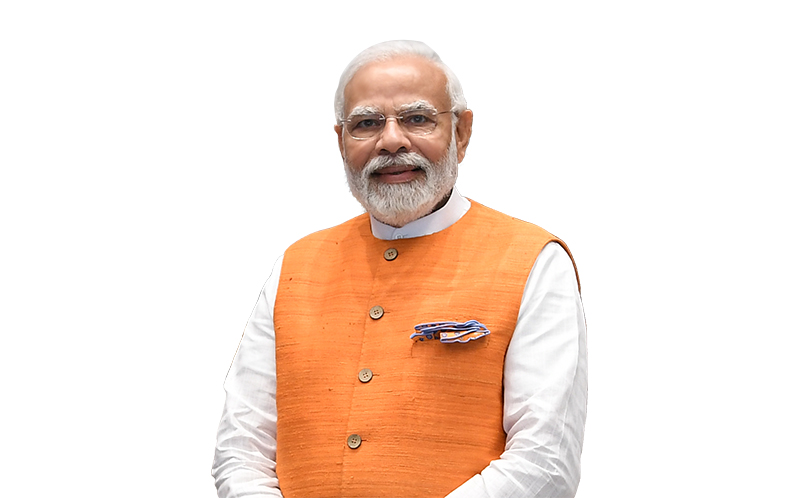

Modi praises the flydubai captain: public recognition and the questions beyond it
Daily Modi column: honouring courage is welcome; serious follow-through should receive equal attention.
READ THE REPORT / FEATURE
Prime Minister Narendra Modi spoke by video call on 2 October with Captain Smit Machchhar, the Indian pilot receiving treatment after an attack in the cockpit of a flydubai aircraft. The Indian Express reported that the captain described opening the cockpit door while wounded, enabling others to intervene. Modi praised his courage and presence of mind. The Prime Minister’s Office had also published praise for the captain on 1 October.
Those are the reported events. The following is The Continental’s editorial assessment, rather than an account of a completed aviation investigation.
Public recognition matters. In a frightening emergency, a pilot’s training, judgment and refusal to give up can have consequences for many people beyond himself. A prime minister is entitled to honour that courage, and a country is entitled to take pride in the professionalism of one of its citizens. Praise in such circumstances need not be dismissed merely because it comes from a political leader.
Modi’s strength as a communicator is relevant here. He knows how to bring a personal story into a national conversation. A public exchange can make an individual’s courage visible to people who would otherwise have seen only a disturbing headline. At its best, that attention reminds viewers that responsibility is carried by ordinary professionals as well as by those occupying high office.
There is also a distinction between recognition and resolution. An emotional conversation does not answer how the incident happened, what safeguards were in place or which conclusions investigators will reach. Those answers require a different kind of work. They may arrive slowly and in language less memorable than a televised tribute. They are no less important.
The fair criticism is therefore about follow-through. A government should be judged by how it helps an injured citizen, coordinates with the relevant authorities and communicates reliable information—not simply by how movingly a leader speaks. This is a standard for assessing public performance, not a claim that any particular assistance has been withheld.
The same distinction applies to patriotic framing. National pride can honour an Indian pilot without reducing the contribution of passengers, other crew members or authorities in the countries involved. The captain’s own account describes others intervening. A generous tribute recognises that collective action rather than forcing every detail into a single political image.
Modi’s supporters can reasonably point to the value of personal engagement. His critics can reasonably ask whether the machinery behind the public gesture is equally effective. Neither side benefits from inventing facts. Admiration should not require suspending questions, and scrutiny should not require denying an act of courage.
The language used around an incident also deserves care. A description offered by a political leader is not automatically an investigative conclusion. Motive, responsibility and security implications should remain attributed to the authorities who are examining them. The public does not gain clarity when an unresolved question is replaced by the most dramatic available comparison.
A daily column on Modi should avoid becoming a daily ritual of applause or denunciation. It should start with something specific he has done, identify what is known, and then ask what standard the action ought to meet. Today the specific action is a conversation with a wounded pilot. The appropriate standards are empathy, accuracy and practical support.
Our judgment is that the recognition was fitting. Its lasting value will depend on what follows and on whether the public receives a clear account of the incident as the evidence develops. That is the distinction between a moment that attracts attention and work that earns trust.


Supreme Court pauses fresh KPSC recruitment probe ordered by Karnataka High Court
An interim stay concerns the investigation’s structure, not a declaration that recruitment allegations are false.
READ THE REPORT / FEATURE
The Supreme Court has stayed parts of the Karnataka High Court’s directions establishing an SIT and ordering a fresh investigation into alleged KPSC veterinary-officer recruitment irregularities, according to PTI’s 2 October report. The order was made on Thursday, 1 October.
The state argued that the CID investigation was already nearly complete. The opposing side questioned the state’s objections to a team comprising state police officers. Responses were sought for 12 October.
An interim stay should not be presented as an acquittal or as a final determination of the underlying allegations. The dispute now includes both the alleged recruitment irregularities and the legal questions surrounding a fresh investigative team.

Image credit & source
CJP’s Jail Bharo protest reaches Shivaji Park; detention claims disputed
The Mumbai agitation is underway, according to afternoon reporting; final turnout and arrest totals remain unverified.
READ THE REPORT / FEATURE
Loksatta’s 2 October live report describes CJP protesters gathering at Mumbai’s Shivaji Park for the Jail Bharo agitation demanding Chief Election Commissioner Gyanesh Kumar’s resignation. The party’s founder, Abhijeet Dipke, had announced the action after police denied permission for the proposed demonstration.
Earlier reports that Dipke had been detained were disputed by CJP, with Loksatta reporting his own social-media response to the rumour. This edition does not turn those conflicting reports into a confirmed arrest. A final arrest count or jail-admission total has not been independently confirmed.
The underlying dispute concerns allegations about voter-roll revision. Protesters accuse the process of unfairly removing eligible voters; the Election Commission rejects allegations of partisan manipulation and says the exercise removes duplicates and ineligible entries. An allegation is not a finding, and an official denial does not remove the need for transparent records.
“Jail Bharo” describes the announced form of protest; it is not proof that every participant has been jailed. Detention and formal arrest are different, and any count needs a clear date and confirmation from police or organisers. The public issue is the integrity of electoral administration and the handling of dissent, not the fastest unverified crowd estimate.

Image credit & source
Dino Morea questioned in the Mithi River contract investigation
A civic-contract probe brings a Bollywood name into the news; custody reports require confirmation.
READ THE REPORT / FEATURE
PTI reported on 2 October that actor Dino Morea appeared before Mumbai Police in connection with the alleged ₹65-crore Mithi River desilting scam. The investigation concerns alleged irregularities in a BMC contract for river-cleaning work. Police are examining the nature of his dealings with people linked to the case.
Questioning is not a conviction. Later headlines reported an arrest, but the original report cited by some of them displayed a different custody description when checked. An arrest is therefore not independently confirmed in this report.
The public-interest issue is how civic money was contracted and spent. Celebrity attention should not obscure the documents, the contractors or the responsibility of public institutions. No finding of guilt against Morea is reported here.

Captain Smit Machchhar: the cockpit door that made intervention possible
The wounded pilot recounts his response to the flydubai attack in a call from hospital.
READ THE REPORT / FEATURE
Captain Smit Machchhar described opening the cockpit door after being attacked during a flydubai flight, enabling passengers and crew to intervene, according to reporting on his 2 October video call with Prime Minister Modi. He spoke from hospital in Abu Dhabi. The aircraft subsequently landed safely in Tabuk, Saudi Arabia.
The account of the emergency is being investigated. This report does not assign a confirmed political motive or a state sponsor to the attack. Statements suggesting a wider connection must remain attributed and conditional until evidence is established.
The Continental’s assessment: opening a door may sound like a small action when described afterwards. In a cockpit emergency it can be the decision that allows other people to act. Recognition of the captain’s courage is deserved, but the story should also allow space for the intervention of passengers and crew.
The next account we need is the investigative one: what happened, what evidence supports the conclusions and what lessons the relevant authorities draw. A human-interest tribute and an aviation inquiry serve different purposes. Readers deserve both, without one being used as a substitute for the other.
BSF reports two suspected intruders killed on Punjab border
An official account from Tarn Taran remains preliminary.
READ THE REPORT / FEATURE
PTI reported on 2 October that BSF officials said two suspected Pakistani intruders were shot dead along the international border in Punjab’s Tarn Taran district around noon. Officials said further details were being ascertained.
The word “suspected” matters. This brief does not assert an independently established identity, affiliation or motive. It also does not infer a new diplomatic confrontation from the incident without an official statement supporting that conclusion. Border security is today’s substantive India–Pakistan news item; sporting contacts are covered separately.
Opinion & Columns

Letters from the Periphery
America’s Gulf Reinforcements and the Limits of Military Pressure
Defensive equipment can protect installations. A durable strategy must also define the political outcome.

The latest American reinforcements in the Gulf raise two questions: what can they protect, and what political outcome are they intended to secure? Military strength can make an attack more costly. It cannot, by itself, settle the disagreement that makes an attack conceivable. The distinction matters particularly to countries whose energy installations, ports and civilian communities could be caught in the fighting. For them, a deployment is neither an abstract demonstration of resolve nor merely another item in Washington’s political argument. They must consider what remains at risk and whether American pressure on Iran could bring danger to their own doorstep.
An Anadolu report, relaying Axios’s account, describes additional American Patriot batteries assigned to energy facilities in Saudi Arabia and Qatar. The account relies on officials and a regional source; it does not establish the full extent of American deployments. That qualification matters. We should neither turn a reported defensive reinforcement into proof that a new offensive has been authorised nor assume that an installation protected by additional equipment has become invulnerable. What the reporting supports is more limited: Washington is reported to be strengthening protection around assets whose disruption would carry consequences beyond the country in which they stand.
The importance of the Gulf is clear from the trade passing through it. The US Energy Information Administration estimates that approximately twenty million barrels of oil a day passed through the Strait of Hormuz in 2024, equivalent to about a fifth of global petroleum liquids consumption. Its separate assessment puts the strait’s share of global liquefied natural gas trade that year at around twenty per cent, primarily from Qatar. These are dated baseline figures, not measurements of today’s traffic. They nevertheless explain why a crisis in this narrow passage becomes a question for consumers, factories and finance ministries far outside the Gulf.
This is where the language of military reassurance requires scrutiny. Protecting an energy facility is a legitimate and tangible objective. Preventing a regional crisis from widening is a different objective. Success at the first does not automatically deliver the second. A defended installation may still suffer if shipping stops, workers cannot reach it or nearby services are damaged. More importantly, reassurance to an ally may be interpreted by an adversary as preparation for action. The same movement can therefore reduce one government’s anxiety while increasing another’s expectation of attack. A government might respond to what it fears another government is preparing. Fighting can spread even when neither side originally intended a wider war.
None of this means that defensive deployments are useless. The argument against treating military power as a complete policy is not an argument for leaving partners unprotected. Credible protection can create space for negotiations by reducing the incentive to act first out of fear. It can also discourage attempts to extract concessions through threats against vulnerable facilities. But governments must explain what the extra forces are intended to do and where their commitments end. Without that explanation, another warship or missile battery may look like a warning of an approaching attack.
For Saudi Arabia and Qatar, the most pressing question is whether reassurance also comes with influence over decisions that could expose them to retaliation. Partnership should involve consultation before a crisis, rather than protection after choices have been made elsewhere. A government cannot responsibly treat the safety of its residents as a secondary consideration in another state’s campaign of pressure. Nor should a partner’s willingness to host defensive equipment be casually translated into endorsement of every possible offensive operation. Those are separate political decisions, with different consequences and different requirements for public explanation.
The American policy problem is equally demanding. Pressure is most useful when it points towards an achievable settlement. Without defined objectives, the maintenance of pressure can become its own measure of success. Officials then count deployments, sanctions or warnings while the underlying disagreement remains unresolved. A stronger posture may improve bargaining power, but bargaining power is only valuable if there is a plausible bargain to pursue. The relevant test is not whether an adversary has been made uncomfortable. It is whether the terms being discussed could produce an agreement that governments can honour.
There is also a danger in confusing restraint with embarrassment. Governments that describe every compromise as surrender make negotiations harder before they begin. Public rhetoric can narrow the room available for private adjustments, especially when leaders invest their reputations in predictions of an opponent’s imminent capitulation. A serious diplomatic process needs ways to verify compliance and manage disagreement without requiring either side to declare itself defeated. That is not indulgence towards threats or violations. It is recognition that an agreement must remain workable when leaders face criticism at home.
From India’s perspective, the Gulf should be viewed through practical interests as well as strategic alignments. A responsible approach would consider the security of energy supplies, the welfare of citizens abroad, commercial routes and the consequences for domestic prices. It should not depend on choosing a rhetorical camp before evaluating those interests. India’s freedom to make its own decisions matters most when it leads to useful action: channels of communication, contingency planning and a clear assessment of where India can help reduce risk. Repeating that the country enjoys relations with all sides is insufficient if those relationships cannot support practical engagement during a crisis.
The same discipline should guide public discussion of markets. A reinforcement is not a reliable instruction to buy gold, sell equities or predict a particular oil price. Prices respond to expectations, supply conditions, policy and many other influences. Converting a geopolitical headline into a confident investment forecast disguises uncertainty rather than analysing it. The stronger editorial service is to explain how disruption could affect ordinary people, state what has actually been reported and distinguish those facts from scenarios. Readers deserve to know what is at risk, not a dramatic number attached to a prediction that cannot be verified.
An assessment of the next stage should therefore follow the negotiations as closely as the movement of troops. Are governments stating limited objectives? Are partners being consulted? Is there a channel through which misunderstandings can be addressed? Are proposed terms specific enough to be tested, and is it clear how commitments will be honoured? These questions do not promise a quick settlement. They provide a more useful measure of progress than photographs of hardware or declarations that one side has no options left. When diplomatic possibilities disappear from the account, readers should ask whether they have disappeared from policy or merely from the headlines.
The Gulf’s security cannot be reduced to the number of batteries deployed around its industrial assets. Equipment may protect particular sites; policy must protect the possibility of a less dangerous future. Military strength serves its purpose best when it helps governments reach an agreement that reduces the danger of war. Sending more forces without a clear aim risks prolonging the crisis. America’s reinforcements should be judged accordingly: by what they credibly defend, by whether the countries at risk have a say and by whether they accompany a route towards agreement. Those living closest to the consequences deserve that standard more than another display of toughness. If they are expected to bear the danger, they deserve to know what Washington hopes to achieve, how far its promises extend and what protection remains if the crisis takes an unexpected turn.
Global Affairs & Diplomacy


US carrier deployment raises the stakes around Iran
Additional forces signal military options, while any new strikes remain a possibility rather than a reported event here.
READ THE REPORT / FEATURE
Reporting on 2 October described the United States dispatching another aircraft carrier and additional forces to the Middle East amid renewed tensions with Iran. Semafor linked the deployment to the possibility of escalation and reported that Donald Trump had left open the prospect of renewed military strikes.
This brief does not present a threat as a strike already carried out. It also avoids troop totals and arrival dates because reports differ on the scope and timing of the reinforcement.
The questions to follow are specific: what is officially announced, whether diplomacy produces a response, and how changes affect civilians and shipping. A claim that war has ended—or that a new attack has begun—requires evidence beyond the movement of military assets.

Pakistan’s protest barricades disrupt container logistics
A domestic security measure has consequences for freight movement.
READ THE REPORT / FEATURE
Reuters reported on 2 October that cargo was piling up as Pakistan requisitioned containers to block routes into the capital ahead of political protests. The story connects protest policing with disruption to commercial logistics.
This is a Pakistan domestic-affairs report, not evidence of an India–Pakistan military move. Any later reopening of routes or change to the protest date needs a fresh update.

Ukraine’s drone factories find new demand in the Gulf
Russia’s invasion drove the industry; the Iran conflict has opened another market.
READ THE REPORT / FEATURE
Ukraine’s drone industry was built and expanded under the pressure of Russia’s war, rather than created by the Iran conflict. The connection to the Gulf is a later development: experience in countering Iranian-designed attack drones has become commercially and strategically valuable to countries facing related threats.
Reuters reported on 7 March that Ukrainian interceptor-drone manufacturers were looking at exports to Gulf countries as the Iran war flared. That report describes an emerging market, not proof that every proposed sale has been completed. The distinction matters because wartime demand, production capacity and permission to export are separate constraints.
A fresh 2 October report from Ukrainska Pravda, citing President Volodymyr Zelenskyy’s Financial Times interview and his press service, says Ukraine could produce around 400 units of one high-speed interceptor model as early as October. This is a production expectation, not a count of machines already delivered. Other designs remain under testing, while questions about effectiveness remain.
The business story therefore contains a tension. Buyers may value Ukraine’s experience, but Ukrainian civilians and forces still need the equipment themselves. Export opportunities can support manufacturing and partnerships; they cannot be evaluated independently of the country’s own defence needs. Orders, tested performance and actual deliveries will provide a stronger measure of the industry than ambitious announcements alone.
Asia & GCC

Japan and Qatar hold talks on cooperation and energy security
Tokyo meetings add an Asian diplomatic angle to a tense regional news cycle.
READ THE REPORT / FEATURE
Japan’s Foreign Ministry records a meeting on 2 October between Foreign Minister Motegi Toshimitsu and Qatar’s Prime Minister and Foreign Minister Sheikh Mohammed bin Abdulrahman Al Thani. Qatar News Agency’s account describes discussions on economic cooperation, energy security, technology, trade and investment.
The news is a diplomatic meeting and stated cooperation priorities. It is not, on the information cited here, an announcement of a new Iran ceasefire or a signed defence alliance.

US sends additional Patriot batteries to Saudi Arabia and Qatar, Axios reports
The reported deployments protect energy facilities; they are not themselves an announcement of new strikes.
READ THE REPORT / FEATURE
Axios reported on 2 October, citing two US officials and a regional source, that two additional Patriot missile batteries had been sent to Saudi Arabia and Qatar in recent weeks. One was described as protecting an oil facility in Saudi Arabia and the other a natural-gas facility in Qatar.
The report links the move to concerns about possible Iranian retaliation if the conflict escalates. This edition attributes the deployment details to Axios rather than presenting them as our independently verified military observation.
The distinction between defensive reinforcement and an actual new attack matters. We do not infer that a strike has occurred or identify a facility location that the cited reporting has not publicly established.
Africa

Eritrea cuts ties with Ethiopia after diplomats are expelled
An embassy closure and mutual accusations deepen the crisis in the Horn of Africa.
READ THE REPORT / FEATURE
Eritrea announced on 1 October that it was severing diplomatic relations with Ethiopia. The immediate trigger was Ethiopia’s closure of its embassy in Asmara and the expulsion of ten Eritrean diplomats. Sudan Tribune reported that the envoys were given 48 hours to leave. These decisions turn a deteriorating relationship into a formal diplomatic rupture.
The two governments give sharply different accounts of the confrontation. Ethiopia accuses Eritrea of supporting a Tigray-led opposition alliance; Eritrea denies the allegation. Asmara, in turn, accuses Addis Ababa of seeking control of Eritrean ports and backing groups hostile to its government. Those accusations must be attributed to the governments making them, rather than treated as established explanations of every event.
Renewed fighting in Tigray supplies the immediate security context. The countries had cooperated militarily during the 2020–22 conflict, but Eritrea was outside the subsequent peace agreement. Reuters also reports calls for restraint from the African Union. The breakdown threatens the channels through which neighbours can clarify intentions and prevent a local confrontation from spreading.
The practical question is whether regional diplomacy can reopen a line of communication. Embassy closures make political anger visible; they do not remove the need to talk about borders, civilian safety and access to essential services. A return to dialogue would be significant even before any wider settlement.
Europe

Swiss President Guy Parmelin announces departure from government
The announcement concerns the end of the year, not an immediate vacancy.
READ THE REPORT / FEATURE
AFP reported on 2 October that Swiss President Guy Parmelin announced he would leave the government at the end of the year. Switzerland’s presidency rotates annually among the seven members of its Federal Council.
The distinction matters for international readers: this is an announced departure from government, and the Swiss presidency operates differently from a directly elected executive presidency. This brief does not name a successor before an official decision.


Marine Le Pen proposes referendum-backed rule to reduce France’s deficit
A campaign proposal places public spending and fiscal credibility in the spotlight.
READ THE REPORT / FEATURE
Reuters reported on 2 October that Marine Le Pen proposed a binding budget rule, to be submitted to a referendum, requiring France’s deficit to fall by at least half a percentage point of GDP each year. She presented it as a route towards improving public finances. This is a political proposal, not a law already in force.
The practical debate is about which spending commitments and revenue decisions would make such a rule achievable. A promised pace of deficit reduction does not answer those questions by itself. Voters will need to assess the detailed programme alongside competing claims about public services and the cost of borrowing.


Dame Esther Rantzen remembered: a television career that gave children a place to turn
The Childline founder’s death draws a tribute from the NSPCC.
READ THE REPORT / FEATURE
The NSPCC announced on 30 September that Dame Esther Rantzen had died and paid tribute to her work as Childline’s founder and president. Its account describes how an episode of That’s Life! about childhood sexual abuse helped lead to the nationwide helpline’s launch in October 1986.
The charity remembers decades of work supporting children and young people. This is an obituary tribute following that announcement, not a claim that her death occurred on 3 October.
The Continental’s assessment: a television legacy can be measured in programmes and audiences. Rantzen’s legacy also asks us to measure what happened after people switched off the television. A public conversation became a service that somebody in distress could actually contact.
That is a powerful standard for media work. Bringing attention to a problem matters, but attention becomes more valuable when it helps people reach support. A tribute to Rantzen should therefore remember the broadcaster and the institution she helped build, rather than reduce her public life to a single controversy.

French school protests spread as pupils challenge classroom conditions
Education grievances and police responses put the government under pressure.
READ THE REPORT / FEATURE
Euronews reported on 2 October that France’s education ministry recorded disruption at 564 schools earlier that day. Students complained about long hours, poor classroom conditions and staff absences. School blockades and clashes with police continued. The government acknowledged legitimate grievances while condemning violence, and students accused police of excessive force.
The number is a dated ministry tally relayed by the report, not a final nationwide total for the day. The debate concerns both the conditions in which teenagers study and how authorities respond to their protests. Allegations about particular incidents require individual investigation rather than conclusions about every pupil or police officer.
North America

Canada seeks diplomatic channels to help return Ukrainian children
A Canadian report describes outreach to countries able to communicate with Russia.
READ THE REPORT / FEATURE
Canadian Affairs reported on 2 October that Canada is seeking countries that can act as diplomatic intermediaries with Russia concerning the return of Ukrainian children. The development concerns efforts to open channels; it is not confirmation that a new return agreement has been reached.
For this edition, the focus is humanitarian diplomacy rather than a prediction of a wider peace settlement. Numbers of children returned, if subsequently announced, should be checked against a dated official account.

Canadian banker Ryan O’Grady released from Dubai prison
He describes a sudden release after months in custody, while his journey home remains unresolved.
READ THE REPORT / FEATURE
Canadian banker Ryan O’Grady has been released from custody in Dubai. In an interview published by Today’s Northumberland on 1 October, the former chief executive of South Sudan’s Kush Bank said officials took him out of Al Awir prison on Monday evening and left him at the roadside. He said a passing motorist helped him reach central Dubai.
O’Grady described losing 17 kilograms and suffering serious illness during his confinement. These are his reported experiences. His detention followed an extradition dispute involving allegations from South Sudan; the release should not be presented as a court judgment resolving the underlying allegations.
The reason for the release remains unclear. O’Grady told the publication he did not know what role, if any, Canadian diplomatic action had played. He also said legal and administrative obstacles still stood between him and a return to Canada. Being outside prison and being able to travel home are different developments.
For readers in Canada, the immediate concerns are recovery, freedom to travel and reunion with his family. A later update should be based on confirmation of his legal position and location, rather than an assumption that release means he has already arrived home.


US adds 29,000 jobs in September; unemployment stands at 4.2%
The official release replaces forecasts with a subdued hiring result.
READ THE REPORT / FEATURE
The US Bureau of Labor Statistics reported on 2 October that September nonfarm payroll employment increased by 29,000 and unemployment stood at 4.2 per cent. The agency described both measures as changing little. Health care added 17,000 jobs. The figures replace the advance-edition placeholder and concern September, rather than October employment.
July’s payroll change was revised down to a loss of 10,000 jobs, while August’s gain was revised to 133,000. Together, the revisions reduced the previously reported gains by 60,000. The release provides a clearer picture of recent hiring but does not, by itself, determine the Federal Reserve’s next decision.

Christa Pike survives Tennessee execution attempt: a murder case returns to the national debate
A failed procedure leaves the death sentence, medical condition and legal response under scrutiny.
READ THE REPORT / FEATURE
Christa Pike was sentenced to death in 1996 for a murder committed when she was eighteen, according to a September statement by UN human-rights experts. The underlying case concerns the 1995 killing of Colleen Slemmer.
AP reported that Pike survived Tennessee’s lethal-injection attempt on 30 September and was taken to hospital. Its account describes an ordered review following the failed procedure. Reporting that she remained alive does not establish that she has recovered; the cited report does not establish her subsequent medical condition.
The Department of Correction said its protocol had been followed, while Pike’s lawyers challenged the treatment and sought intervention. These are competing accounts and arguments, not a final judicial finding about what went wrong.
The Continental’s analysis: the original victim must not disappear from this story. A murder conviction is the reason the case exists. At the same time, a lawful sentence does not remove the state’s responsibility for how punishment is administered. Those two propositions can be held together.
The public questions are concrete: what the review establishes, what the courts decide and what happens to the sentence. This report avoids graphic descriptions of either the murder or the execution attempt. The seriousness of the case comes from the evidence and the responsibilities involved, not from turning suffering into spectacle.
India’s Metro Cities

Delhi–NCR: protests bring temporary Metro restrictions
Check current service notices; 2 October closures should not be assumed to continue on 3 October.
READ THE REPORT / FEATURE
Delhi Metro stations faced temporary closures linked to voter-roll protests on 2 October, according to PTI reporting. Notices and reported station counts changed during the day.
This is a dated transport disruption, not an instruction that the same stations will remain closed tomorrow. Travellers should consult DMRC’s current notices before leaving. The underlying political dispute is covered in the electoral-roll report above.

Hyderabad introduces a joint bus–Metro pass
A practical transport story for commuters switching between TGSRTC and Metro services.
READ THE REPORT / FEATURE
Telangana launched a common pass for TGSRTC buses and Hyderabad Metro on 2 October, according to the New Indian Express. Reporting describes daily and monthly options intended to make travel across the two systems easier.
Passengers should check current availability and conditions at official counters before purchasing. This brief avoids reproducing unverified fare tables or assuming every route and service class is included.

Kolkata welcomes Brazil ahead of India friendly
The visiting team arrived on 1 October for the match scheduled on 3 October.
READ THE REPORT / FEATURE
Brazil’s football squad arrived in Kolkata on Thursday night ahead of its friendly against India scheduled for Saturday, 3 October, according to the Indian Express. The report describes tight security and a welcome at the team hotel.
This is a pre-match report. It contains no invented score or claim that the game has already been played. Match-day access arrangements and any late squad changes should be checked against AIFF updates.

Pune merchants call a symbolic “No UPI Day”
A protest over payment charges is not a shutdown of the UPI network.
READ THE REPORT / FEATURE
The Poona Merchants’ Chamber called a symbolic “No UPI Day” for 2 October, according to the Indian Express report published on 1 October. The action concerns merchants’ objections to payment charges.
This is a report of the call to protest, not a verified count of participating shops. It should not be read as an announcement that UPI itself stopped operating. Claims about the precise scope or legal status of proposed charges need separate verification.

Chennai Metro’s next stretch: opening reported for 11 October
The Phase 2 extension is a forward-looking transport story, not an operating service today.
READ THE REPORT / FEATURE
The Times of India reported plans to open the Poonamallee Bypass–Vadapalani Phase 2 stretch on 11 October. Its report distinguishes the planned opening from the later introduction of driverless operation.
This edition treats the date as a reported plan requiring confirmation from Chennai Metro. It does not tell readers that the new service is already running or that driverless operations will begin with the opening.

Bengaluru man rescued after ₹90-lakh ransom demand
Police arrests follow a rescue near Belur, according to reporting published on 2 October.
READ THE REPORT / FEATURE
A Bengaluru man was rescued after his father received a ₹90-lakh ransom demand, the Indian Express reported on 2 October. The rescue took place early on 1 October near Belur in Hassan district, and two men were arrested.
The case remains a criminal investigation. The rescue and arrests are reported developments; a conviction is not. The date distinction also matters: this is new reporting on a rescue the previous day, not an incident claimed to have occurred on 3 October.

Ahmedabad: Gujarat traders join call for symbolic payment protest
Merchant concerns about charges spread beyond one city.
READ THE REPORT / FEATURE
A Times of India report dated 2 October described Gujarat trader associations calling for a symbolic “No UPI Day”. The proposed switch to other payment methods was a protest gesture, not a technical suspension of digital payments.
The city desk will distinguish the associations’ announcement from verified participation. Customers should ask individual merchants which methods they accept, rather than assume a statewide payment rule has changed.

Mumbai: Shivaji Park protest plans meet residents’ objections
Voter-roll campaigning brings policing, access and neighbourhood concerns into the same debate.
READ THE REPORT / FEATURE
Reporting on 2 October described residents objecting to the proposed Cockroach Janta Party agitation around Shivaji Park, citing disruption and concerns about peace in the area. The dispute is separate from the substantive allegations about voter-roll revision.
Travellers should check current official notices before relying on an earlier restriction. A report of an announced demonstration does not establish its final turnout or the number of detentions.
Love, Romance & Fame


Will Arnett says he is happy in his new relationship
A public podcast comment supplies the romance update; wedding and breakup predictions do not.
READ THE REPORT / FEATURE
Will Arnett discussed being happy in a new relationship during a SmartLess conversation, with entertainment reporting identifying his partner as fashion entrepreneur Emma Marciano. Entertainment Weekly’s report, published on 1 October, describes his reluctance to turn the conversation into an interrogation about his private life.
That is the verified romantic update for this edition. It does not establish an engagement, wedding date or future breakup. A relationship can attract readers without requiring us to invent its next chapter.
Literary World


Read a book before reading its reputation
A short weekend column on choosing reading for pleasure rather than display.
READ THE REPORT / FEATURE
A book can arrive surrounded by so much commentary that the reader has formed an opinion before reaching the first page. Prizes, sales lists, endorsements and angry arguments all compete to explain what the book is supposed to mean.
Try a smaller experiment this weekend. Open the book before searching for its verdict. Read a chapter slowly. Notice a sentence that surprises you, a character you distrust or an idea you would like to challenge. Write down the question before somebody else supplies an answer.
This does not make criticism unnecessary. Reviews and conversations can deepen a reading. They work best when they meet an experience the reader has actually had, rather than replacing it.
The literary world deserves space in a newspaper because reading changes the pace of attention. A headline asks for a quick decision about what matters now. A book can keep a question open for days. A strong publication should offer both kinds of encounter.
The five best books ever written? Our editorial selection
Five enduring novels—an invitation to argue and read, not an objective universal ranking.
READ THE REPORT / FEATURE
A selection of the “best books ever written” is always an argument. Languages, reading experience and the criteria chosen will change the answer. Our five favour narrative ambition, psychological insight and the ability to remain rewarding across repeated readings. They are not a claim that every literary tradition has been represented.
Don Quixote — Miguel de Cervantes. The collision between a person’s imagined life and the world’s stubborn resistance creates comedy with remarkable depth. Read it for the tenderness as well as the absurdity: the dreamer can be mistaken without becoming unworthy of attention.
War and Peace — Leo Tolstoy. The scale is immense, but the attraction is not simply the number of people and events. Tolstoy keeps bringing public history back to private experience: a room, a family, an uncertainty, a choice. The novel asks readers to notice how little a grand historical explanation can tell us about being alive inside history.
Pride and Prejudice — Jane Austen. Judgment is the engine of this novel. People see one another too quickly, defend their first impressions and slowly discover what those impressions missed. Its wit makes the social world pleasurable to enter while keeping the pressure of status, money and marriage in view.
The Brothers Karamazov — Fyodor Dostoevsky. A family story becomes a demanding conversation about responsibility, belief and the difficulty of judging another person. The attraction is not that it supplies an easy moral formula. It allows competing voices to make their strongest claims and leaves the reader with work to do.
One Hundred Years of Solitude — Gabriel García Márquez. An extraordinary family chronicle makes the strange feel intimate and the familiar feel newly visible. Read it for the way repetition, memory and imagination shape a world, rather than trying to turn every image into a puzzle with one answer.
Our suggestion is to choose the one whose question interests you most. There is no virtue in buying all five and reading none. A great book becomes a living part of literature only when someone gives it attention. Tomorrow’s selection may travel to different languages and forms; today’s five are a strong place to begin.

Swan Song: Diana, My Sister — a family memoir under scrutiny
Charles Spencer’s tribute has reopened disputes about royal history and the reliability of memory.
READ THE REPORT / FEATURE
Charles Spencer’s Swan Song: Diana, My Sister was published on 22 September 2026. Penguin describes a memoir that moves from the siblings’ childhood to Diana’s transformation into a global public figure and the week of her death. This assessment is based on the publisher’s synopsis and dated reporting about the book, rather than a reading of the complete text.
The premise offers something a conventional royal biography cannot easily supply: the perspective of a brother who knew Diana before her public identity took over. Childhood, family disruption and private affection can restore a person to a story usually told through ceremonial photographs and headlines. That is the book’s potential literary strength, though a synopsis alone cannot establish how successfully the prose delivers it.
Its reception also presents a clear evidentiary test. Associated Press reported that Buckingham Palace challenged Spencer’s recollections concerning King Charles after Diana’s death. Such passages should be read as Spencer’s account of disputed events, with the response kept in view. A close relationship gives a memoirist access; it does not independently verify every remembered conversation.
A separate factual error has been acknowledged. People reported Spencer’s apology to Piers Morgan over an incorrect attribution concerning intrusive photographs published before Morgan became Daily Mirror editor. Spencer promised a correction, while Morgan disputed the account of their telephone conversation and said he intended legal action. An intention to sue is not a court ruling.
The correction matters because dates and editorial appointments can be checked against records. It does not automatically settle every other dispute in the book, but it gives readers a concrete reason to distinguish documented chronology from recollection. The fairest critical approach neither dismisses a whole memoir because of one error nor excuses an error because the author’s grief is real.
The question for a full review is whether Diana remains at the centre. A book about a much-loved sister can deepen understanding through ordinary details, humour and contradiction. If controversy consumes the reading experience, the woman risks being displaced by another argument about the institutions around her. The promotional promise invites readers to look for Diana as a person, while the public dispute encourages attention to accusation and rebuttal.
Our provisional verdict is that Swan Song offers a distinctive family perspective deserving careful reading, with disputed claims requiring scrutiny rather than sensational certainty. A full-text review must still assess its structure, style, sourcing and sustained portrait of Diana. This preview makes no claim to judge passages that have not been read.


Sylvester Stallone’s The Steps puts the man behind Rocky on the page
A memoir announcement and reading preview—not a claim that we have reviewed the complete book.
READ THE REPORT / FEATURE
HarperCollins’ official page lists Sylvester Stallone’s memoir The Steps as on sale. The publisher describes an account of his path to stardom, framed around his arrival in New York and the success of Rocky, with reflections on the struggles that preceded and followed recognition.
This is a book-news feature and a reading preview. We have not read the entire memoir for this edition and do not present a verdict on its accuracy or literary quality. Publication dates and editions differ between markets; the official retailer links should be checked for the edition a reader wants.
The literary interest lies in the gap between a famous character and the person who created him. A screen hero is built for a particular story. A memoir can show the uncertainties, revisions and compromises that the story leaves outside the frame. Whether it does so convincingly is a question for a full reading.
Stallone’s name will draw readers. The more useful invitation is to examine how a public life is narrated: which failures are remembered, which choices are defended and what the writer asks us to believe about perseverance. A memoir deserves to be read as an argument about a life, not simply as an extension of a celebrity image.
Travel, Beauty & Billionaires

The hotel-room holiday: rest without an itinerary
“Room rotting” enters the travel conversation—but a trend label does not describe every traveller.
READ THE REPORT / FEATURE
The Indian Express reported on 2 October on “room rotting”: choosing to spend substantial holiday time in a hotel room rather than filling each day with sightseeing. Its account describes a growing conversation about downtime and the pressure to maximise every trip.
The Continental’s view: a holiday is not an examination in which the traveller earns marks for attractions visited. Someone who wants a quiet morning, a book and an unhurried meal need not justify that choice through a fashionable label.
At the same time, calling something a trend can make a private preference sound like a universal change. The article is not a population survey of all young travellers, and we do not present it as one. Nor do we use a travel habit to diagnose a reader’s health.
The useful question is practical: what would make the time away enjoyable for you? An itinerary can leave room for both curiosity and rest. Choosing less does not require making a grand argument against travel; it can simply mean knowing what you wanted from the break.


Jeff Bezos returns to No. 2 in Forbes’ billionaire ranking
Space and artificial-intelligence valuations give his estimated fortune a sharp lift.
READ THE REPORT / FEATURE
Forbes’ October wealth ranking estimates Jeff Bezos’s fortune at $370 billion as of 1 October, placing him second behind the top-ranked billionaire. The publication attributes his estimated $102 billion monthly increase to private-company valuations involving Blue Origin and the industrial AI venture Prometheus. These are Forbes estimates, not a statement of cash available in his bank account.
The story offers a useful starting point for our coverage of billionaires’ lives. What someone owns, how an estimate is calculated and how that wealth translates into influence are different questions. A private investment valuation may change a ranking dramatically without a matching cash sale. Future profiles can examine public business decisions, philanthropy and documented spending, with personal claims included only when there is a reliable public record.

Five of the world’s most beautiful airports
Gardens, light and distinctive architecture turn a transit building into part of the journey.
READ THE REPORT / FEATURE
An airport can be memorable before a traveller leaves its doors. Our selection celebrates architectural character and public spaces. It is an editorial choice, not a league table of safety, punctuality or service, and the order does not imply an official beauty ranking.
Singapore: Changi and Jewel. Jewel’s forest setting and central waterfall make the airport complex a destination in its own right. The appeal lies in the contrast between a dense transport network and a space that invites a slower pace. Jewel is connected to the airport, but visitors should check access arrangements and allow time for immigration, security and their next flight.
Doha: Hamad International Airport. Its ORCHARD indoor garden brings greenery into the passenger experience, while prominent public artworks give the terminal a recognisable identity. Visit Qatar highlights the garden and installations including Urs Fischer’s Lamp Bear. The combination provides an alternative to an airport defined entirely by corridors and retail signs.
Beijing: Daxing International Airport. Zaha Hadid Architects describes a terminal organised around a central courtyard, with piers radiating outward and skylights helping passengers navigate. The architecture’s drama also has a functional purpose: the arrangement is designed to shorten routes through a very large building.
Oslo: Gardermoen. Timber and natural light give its architecture a different mood from the monumental glass-and-steel terminal. The expansion’s glulam structures and oak detailing, documented by its construction supplier, are a reminder that an international airport can express local materials without becoming a decorative caricature of its country.
Marrakech: Menara. Its geometric facade makes a strong first impression of Morocco’s architectural traditions. ONDA’s published airport imagery shows a terminal exterior with a distinctive patterned skin. Here, the visual appeal is the arrival itself: a building that introduces a city’s design language before the visitor reaches the streets.
The best airport photograph is not necessarily the easiest connection. Treat these as design destinations to appreciate during a journey, then check flight schedules, terminal access and transit requirements separately. A beautiful space becomes truly welcoming when there is enough time to enjoy it.
Stocks, Markets & Gold

Indian stocks pause for the holiday after a weaker Thursday close
Daily market status: last completed session, holiday and weekend clearly separated.
READ THE REPORT / FEATURE
The Sensex closed on 1 October at 71,909.70, down 570.59 points or 0.79%. The Nifty 50 closed at 22,421.95, down 198.50 points or 0.88%, according to Financial Express reporting.
NSE’s official calendar lists 2 October as a Gandhi Jayanti holiday; normal equity trading also does not take place on Saturdays and Sundays. Accordingly, 3 October’s edition carries Thursday’s last completed closing figures, not a newly invented Saturday close. The next regular session is expected on Monday, 5 October, subject to exchange notices.
Our market desk will distinguish historical closes, intraday quotes and commentary. A lower index alone is not a recommendation to buy or sell a particular stock. Readers comparing daily moves should use the same instrument and the same closing-time basis.


Gold desk: the last IBJA benchmark, not a fresh holiday quote
Purity, units, date and retail charges belong alongside the price.
READ THE REPORT / FEATURE
The IBJA page checked on 2 October marks the day as a holiday. Its latest historical entries are dated 1 October. The lower of its two displayed 1 October session quotes is ₹1,48,138 per 10 grams for 999 gold and ₹1,35,694 per 10 grams for 916 gold. The matching silver entry is ₹2,20,829 per kilogram. The other 999-gold session entry is ₹1,48,687 per 10 grams.
These are dated benchmark entries, not a fresh 3 October fix or a jeweller’s final invoice. IBJA says its displayed rates exclude GST and making charges and that it does not publish rates on weekends.
For a retail comparison, ask for the purity, weight, tax, making charge and total payable amount together. A gold-futures contract price is also different from a spot benchmark or a jewellery quote; this edition will not mix the three.
International Property

Buying property in India: verify the project before believing the pitch
A practical property column on documents, affordability and the cost of an income-producing asset.
READ THE REPORT / FEATURE
A property advertisement can show a future neighbourhood more clearly than it shows today’s paperwork. Begin with the exact project and unit, the relevant state RERA record where registration applies, and the documents a qualified local lawyer needs to examine. Registration is useful information; it is not a substitute for checking title, approvals, encumbrances and the sale agreement.
For a homebuyer, compare the whole cost: purchase price, taxes and registration, finance, maintenance, insurance where relevant and the expenses of moving or fitting out the property. Test the monthly budget against less favourable borrowing terms rather than assuming the advertised EMI is the permanent cost.
For a property business, write down the expected rent, vacancy periods, management costs, repairs and financing before talking about yield. Gross rent is not net profit. A corridor’s proposed infrastructure can be part of an investment thesis, but a proposal is not an operating connection.
The Continental’s practical rule is simple: require the documents to support the promise. For the legal requirements and taxes that apply to a specific transaction, obtain current local advice before signing. This column offers a method of evaluation, not a forecast that any Indian city will deliver guaranteed returns.

UK property: slower price growth puts the focus on finance and local value
Nationwide’s September index provides a starting point; a national average is not a valuation of your house.
READ THE REPORT / FEATURE
Nationwide’s release dated 1 October says annual UK house-price growth slowed to 0.8% in September from 1.6% in August. It also reports considerable regional variation. Those figures describe an index; they do not establish what a particular seller should receive or what a particular buyer should pay.
For a purchase, compare recent completed sales of genuinely similar homes and inspect the property’s condition. Calculate the borrowing cost over the fixed-rate period and after it, rather than deciding from the headline purchase price alone. Obtain current lender terms and a suitable survey.
For a rental business, evaluate net income after vacancies, repairs, management, finance and applicable taxes. Check the current local letting requirements and the tax treatment of your own ownership structure. The rules and transaction taxes differ across the UK’s nations and can also depend on residence and whether the purchase is an additional property.
Our guidance is to compare the asset and the financing together. A softer price does not automatically make a property affordable, and an attractive rent does not automatically make the business profitable.

Image credit & source
Canada property: more listings do not remove financing and eligibility questions
The latest CREA release is August data published in September—not a new October sales total.
READ THE REPORT / FEATURE
CREA’s 15 September release says Canadian home sales declined 0.7% month on month in August 2026 and new listings rose 3.3%. The national MLS Home Price Index was unchanged on the month and down 3% from a year earlier. CREA says its next statistics package is due on 16 October.
A national measure cannot price a specific neighbourhood. Compare local completed sales, property condition, carrying costs and the terms of available financing. For an income-producing property, allow for vacancy and maintenance rather than assuming every month will deliver the advertised rent.
Buyer eligibility deserves attention before a deposit. Canada’s federal restrictions on purchases by non-Canadians have exemptions and defined conditions; immigration status, the property and the transaction can affect the position. Verify the current CMHC guidance and obtain advice for the specific purchase. This edition does not assume that every overseas reader can buy any Canadian home.
The practical decision is about the whole transaction: legal eligibility, asset quality and a budget that can withstand a less favourable outcome. A national price trend is useful context, not a promise of a return.
Today in History

3 October: German reunification and Schirra’s six orbits
Two documented anniversaries connect political transformation with spaceflight.
READ THE REPORT / FEATURE
3 October 1990 — Germany reunified. The Federal Government’s historical account identifies this date as the culmination of reunification. The 2026 anniversary is the thirty-sixth. It is a historical event, separate from the current political questions facing Europe.
3 October 1962 — Walter “Wally” Schirra flew the Mercury-Atlas 8 mission, Sigma 7. NASA records six orbits and a launch and landing on the same date. The flight helped test a longer-duration orbital mission during Project Mercury.
These entries are selected anniversaries, not an exhaustive list of everything that happened on 3 October. Their appeal lies in how differently history moves: through negotiations and institutions in one case, through engineering and individual preparation in another.