Set on Fire for a Reel? Kolkata’s Cruelty-for-Clicks Horror and the ₹500 Question
A young man was blindfolded, assaulted and set ablaze. Police are probing whether the attackers wanted a viral video. His family says an old, repaid debt may have been the reason. Behind those competing accounts lies a horrifying question about the spectacle of violence in contemporary India.
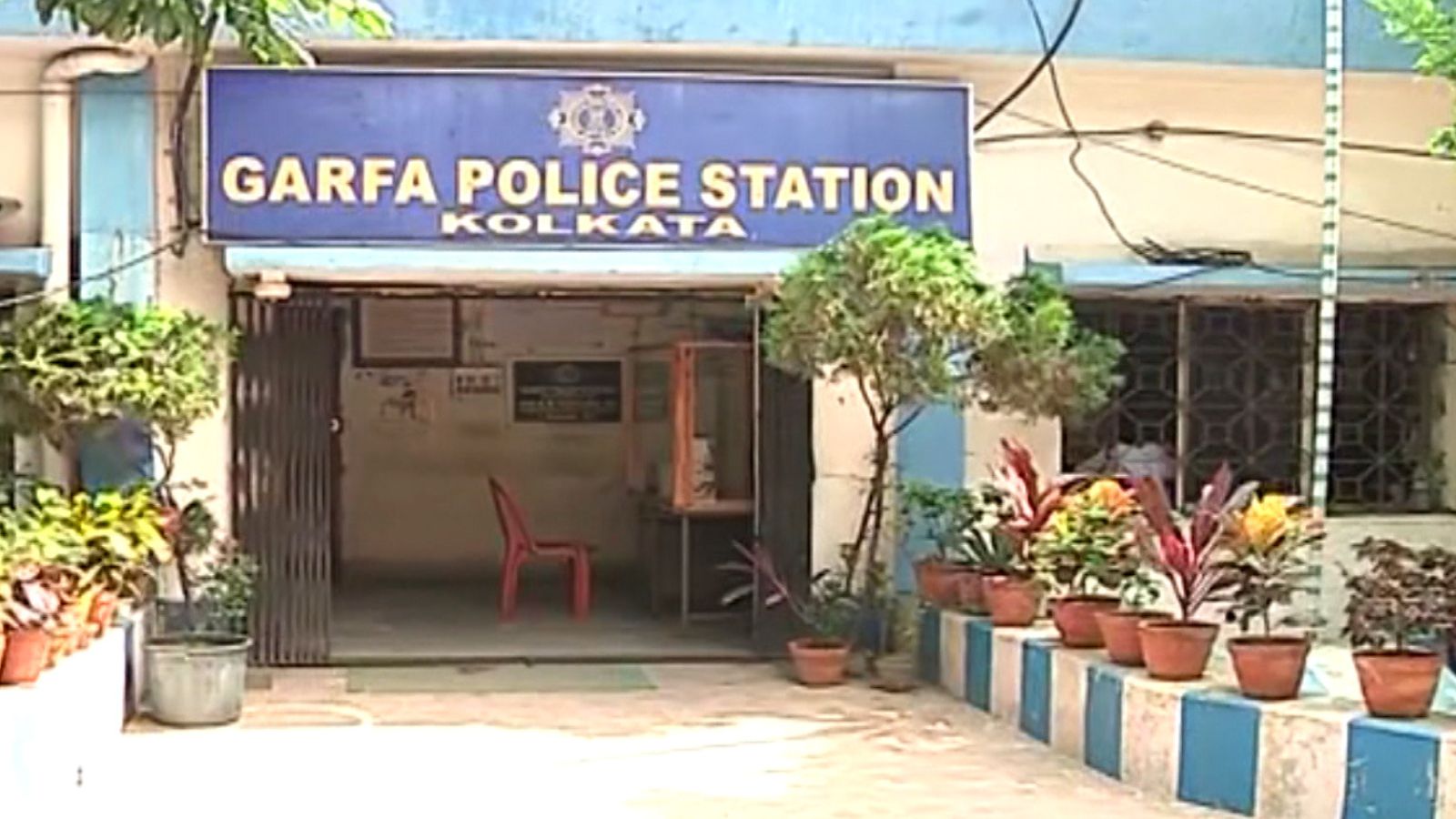
KOLKATA, 10 November 2026. There are crimes whose details are so disturbing that the first impulse is disbelief. A young man returning home from work is intercepted by a group of people he knows. What begins, according to the reported police account, with the pretence of a game becomes a sustained assault. He is blindfolded, made to wear a helmet and repeatedly struck. A container of petrol is produced. An attempt is allegedly made to force him to swallow the fuel. Then petrol is poured onto his clothes and a lit match is thrown at him.
He runs, his clothing burning, and manages to pull it off. Neighbours help him reach medical care. It is a dreadful account, yet the troubling detail that has brought the episode to national attention is that someone reportedly filmed it. Police have been investigating whether the recording was made to produce a social-media reel.
The incident reportedly took place on 27 October near a pond in the Lenin Nagar or Nelinagar area of Haltu, within Garfa police station limits in south Kolkata. Police statements relayed by multiple publications say the injured youth was stable and receiving hospital treatment for burns to his chest and abdomen as of 6 November. Those reports did not establish any lasting prognosis. TCN has not independently interviewed the victim or obtained his medical records.
The Attack Beside a Pond
According to the sequence described by police and the victim in reporting by The Indian Express, the youth was walking home from work when a group stopped him near the pond. He was made to sit on a cement bench. A helmet and blindfold were placed on him. The group allegedly hit him and demanded that he identify who had struck him. Each failure brought further blows. The supposed game stripped the victim of control while those around him continued to direct events.
When he resisted and removed the helmet, the episode escalated. The attackers allegedly took petrol from a scooter’s storage compartment and tried to make him drink it. They then poured the fuel over him. Police accounts describe a match being lit and thrown, setting his clothing on fire. The youth escaped the immediate flames by running and removing the burning garments. Local residents helped him and his family was informed.
The sequence matters because this was not a harmless stunt that happened to go wrong, if the account is sustained. The alleged blindfolding, forced positioning, repeated assault and deliberate introduction of fuel are actions requiring explanation and legal scrutiny. Calling the episode a prank would minimise the violence. Calling it a content experiment would not absolve anyone of responsibility.
Nor does the existence of a video make every claim surrounding it automatically true. A clip can establish parts of a physical sequence while leaving intent, prior threats, planning and individual responsibility unresolved. Police say they are examining the recording and questioning those apprehended. The footage is evidence to be authenticated, contextualised and preserved, not an invitation to turn the victim’s suffering into another round of viral entertainment.
A Reel, a Debt, or Both?
The strongest reason for caution is the conflicting explanation of why the attack happened. Police sources told journalists they suspected the assault was recorded with the aim of making a social-media reel. Reports also described the group as having previously created videos intended to attract viewers. One account indicated that the victim may have been coached to describe the incident as voluntary if authorities questioned him. These are investigative assertions reported by journalists, not findings handed down by a court.
The family has put forward another account. According to the victim and his relatives, one of the accused had lent or demanded ₹500 about six months earlier. They say the money had been repaid, yet resentment over that transaction persisted. The family believes the attack arose from this grievance. If that claim is accurate, the social-media recording may have served to document, circulate or humiliate rather than being the original reason for the confrontation.
The two accounts are not necessarily mutually exclusive. Someone might harbour a grievance and still choose to film an assault for attention, status within a group, intimidation or later circulation. Equally, a recording made by an attacker does not by itself prove that online popularity was the dominant motive. Investigators must determine what was said before the attack, who obtained the petrol, who gave instructions, who recorded, what was done with the footage and whether any digital messages document preparation.
Here lies the central distinction between sensational storytelling and responsible reporting. A headline declaring that a young man was burned solely for likes would be premature. The more troubling, supportable headline is that he was allegedly set on fire while the attackers filmed him, with police investigating a reel-making angle and his family alleging a separate debt dispute. The facts are shocking without forcing the evidence to settle an unanswered question.
The Arrests and the Burden of Proof
Reports on the number of accused have not always been consistent. Some initial accounts grouped juveniles together with adults and described three arrests in total. More detailed subsequent reporting, including The Indian Express, stated that three adults were arrested and two minors apprehended. Other publications referred to four adult arrests. TCN uses the more clearly differentiated account of three adults and two minors, while noting the discrepancy and the need for an updated police statement identifying the procedural status of every suspect.
One adult accused has been publicly named in news reports. TCN is deliberately not repeating the identities of the apprehended minors. Their ages, individual roles and treatment under juvenile justice procedures should be established through official records, without public exposure that could prejudice their rights. The presumption of innocence applies to everyone accused. The conduct described by police is grave, but culpability must be tested through evidence and lawful proceedings.
Media accounts have referred to an attempted-murder case following the family’s complaint. The precise statutory provisions, medical findings and later charges should be confirmed from police and court records before they are treated as final. Those details will be essential in understanding how investigators distinguish the alleged acts of striking, restraining, pouring fuel, lighting the match and filming.
The immediate welfare of the victim must remain the priority. Reports that he was stable provide some reassurance; they do not answer questions about wound care, psychological distress, ability to return to work, financial support and protection from intimidation. A young person who survives an assault can face a second ordeal through repeated circulation of the footage. Reporters, platforms and viewers should avoid making him relive the attack for public curiosity.
When the Camera Becomes Part of the Violence
The smartphone has altered the way acts of humiliation are committed and witnessed. A violent encounter can be staged around a camera, reviewed immediately, circulated within private groups and broadcast to strangers. The promise of attention can change the behaviour of a crowd, especially when participants compete to provoke a reaction more extreme than the last.
That does not mean social media created human cruelty. Public humiliation, bullying and group violence long predate video-sharing platforms. It does mean the ability to record and instantly distribute such acts has created new opportunities to reward, magnify and prolong them. When a victim is restrained before a camera, the recording is not simply a neutral document. Depending on the evidence, it may form part of the coercion itself.
In the Kolkata case, the reported pretence of a game is particularly unsettling. Games depend on consent and shared rules. A blindfolded person who is struck, threatened with fuel and set alight is not participating in entertainment. The idea that the attack could later be defended as performance, consent or prank is precisely what investigators must scrutinise. Consent cannot be inferred from the existence of a camera or a rehearsed explanation.
When a crowd turns another person’s terror into a performance, the central question is no longer whether the video will go viral. It is how the victim was allowed to become the entertainment.
There is a second audience too: the people who receive the recording. Some share it in outrage; others forward it as spectacle; others slow the footage, add music and recirculate it for engagement. Each repost can spread awareness, but repeated graphic distribution can also strip the victim of dignity. The responsible editorial choice is to describe the evidence and seek accountability without embedding the most traumatic frames simply to hold attention.
The People Who Intervened
One important part of the account is easily lost amid the horror. The victim escaped, and residents reportedly came to his assistance. Their response stands in contrast to the conduct alleged against the attackers. It reminds us that a neighbourhood is neither wholly indifferent nor uniformly cruel. People still act, help, summon family members and get the injured to hospital.
Yet the story also invites scrutiny of what preceded the attack. Were there earlier incidents of bullying, intimidation or coercion? Did neighbours, employers or relatives know about threats? Was the alleged ₹500 grievance ever accompanied by demands? These questions cannot be answered by the circulating clip. They require interviews conducted respectfully, police records and evidence from people who knew the relationships involved.
It would be irresponsible to declare that an entire generation has lost its humanity on the basis of one case. But equally irresponsible would be to treat the reported conduct as a private quarrel with no wider implications. The allegations reveal an intersection of intimidation, peer-group dynamics, recording technology and extreme violence that deserves careful public examination.
What the Platforms Must Explain

Whether the assault was initially staged for a reel or the footage was circulated afterwards, the online distribution raises a practical question. How swiftly can major platforms identify and restrict graphic violence involving a victim, preserve material needed by investigators and prevent copies from repeatedly reappearing? A request to remove a recording should not destroy evidence. Equally, an evidence-preservation requirement is no justification for leaving traumatic material freely available to be sensationalised.
Platforms should be asked whether the footage was uploaded to their services, whether it was reported, what moderation action followed and whether relevant data has been preserved through lawful requests. No platform has been identified by TCN as having knowingly promoted this particular recording. Any finding of negligence would require a documented timeline and the platform’s response.
Journalism has responsibilities of its own. Newsrooms should resist the lazy equation of shock with public interest. The public interest lies in understanding what occurred, whether the authorities acted properly, whether the survivor is being protected and how the law will address the alleged conduct. It does not require replaying a young man’s clothes catching fire.
Five Questions That Must Be Answered
First, what is the precise procedural status of the adults arrested and the minors apprehended, and which offences have been recorded? Second, what does a forensic examination of the original phone, video metadata and communications reveal about planning? Third, is there independent evidence supporting the family’s account of the repaid ₹500 debt and any continuing grievance? Fourth, what medical and protective support has been provided to the injured youth? Fifth, have investigators identified where the clip was uploaded, who first distributed it and whether copies are being removed while evidence is preserved?
These are not peripheral details. They determine whether the public sees a properly investigated case or merely another terrifying video that burns through the news cycle and disappears. Police should release a clear factual update without jeopardising proceedings or revealing protected identities. The accused must receive due process. The survivor must receive privacy, care and a genuine opportunity to recover.
After the Flames, the Reckoning
There is a temptation to end every horrific viral story with a sweeping condemnation of social media. That would be too easy. A phone does not pour petrol. An algorithm does not strike a match. Human beings make those decisions, and institutions are responsible for investigating them. But if the desire to record, perform and circulate cruelty contributed to this attack, the digital environment cannot be treated as irrelevant.
A man reportedly suffered burns in a Kolkata neighbourhood, surrounded by others, with a camera capturing the ordeal. His family points towards a ₹500 dispute. Investigators suspect a reel-making motive. Both accounts demand examination, while the attack itself demands accountability. The gravity of the alleged crime should not be diluted by the excitement of calling it viral.
The question that should trouble India is not how many people watched the video. It is how an ordinary journey home could become an occasion for such deliberate humiliation and danger, and whether those responsible will now be held to account through a fair and thorough investigation.
The Indian Express, 6 November 2026 — police account, adult arrests and minor apprehensions
PTI via ThePrint, 6 November 2026 — competing motive accounts
The New Indian Express, 6 November 2026 — incident and reported medical condition
NDTV, 6 November 2026 — police investigation account
Garfa Police Station archive photograph: ABP Ananda, 2025
Lalbazar Police Headquarters archive photograph: GetBengal