A fire that has become a public reckoning
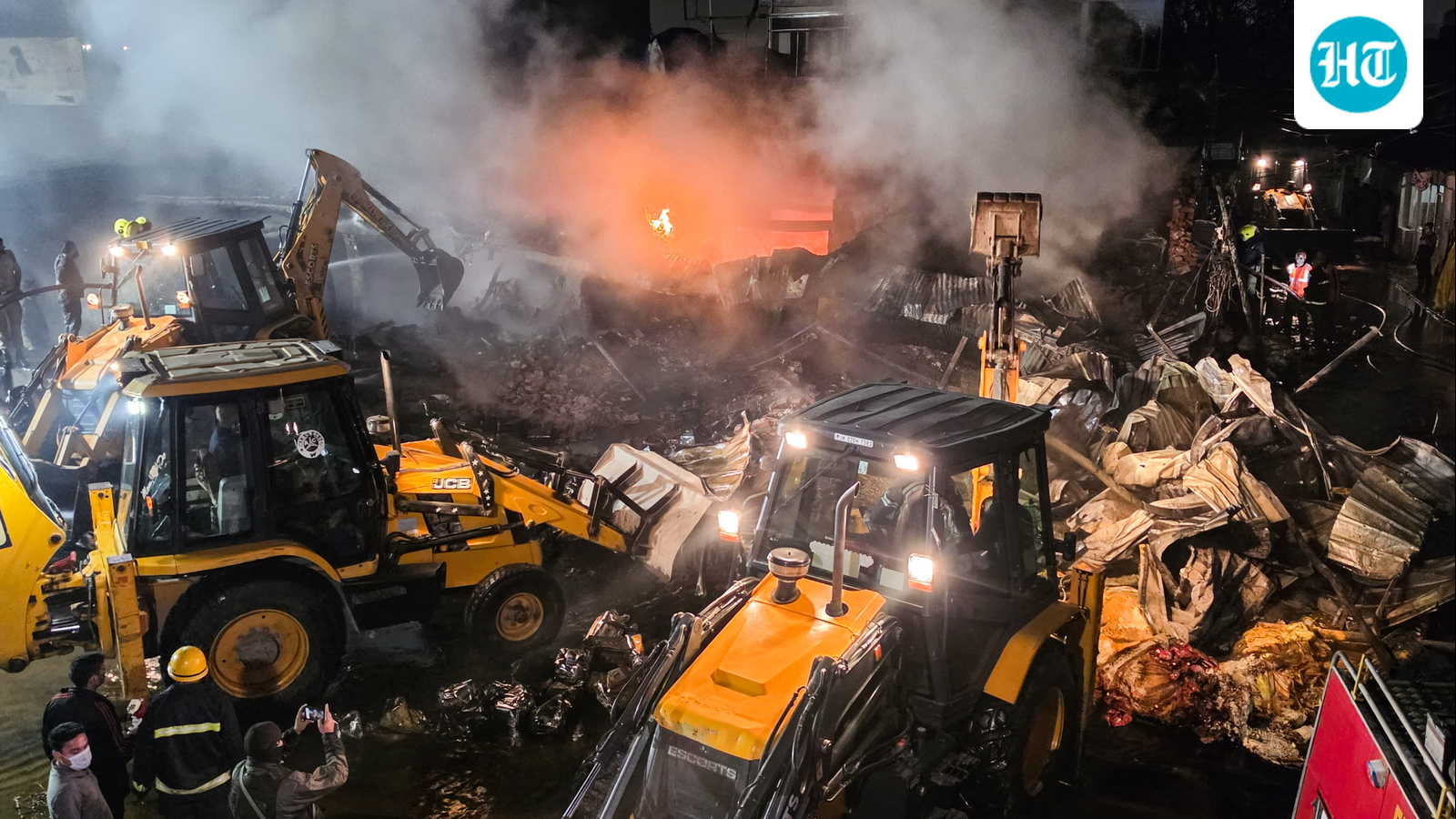
On the night of 8 November, as Jammu celebrated Diwali, fire swept through the Warehouse–Nehru Market near Bikram Chowk. Shops containing foodgrains, edible oils and other goods were damaged. By the following morning, business owners were confronting losses whose full extent had yet to be independently established.
The fire itself was alarming. What followed was perhaps more revealing. Traders accused the emergency services of a delayed response. The department rejected the accusation and issued a detailed account of its deployment. Political leaders arrived, promises of assistance followed, and the trading community announced a shutdown.
The number of damaged establishments itself became a matter of conflicting accounts. The Fire and Emergency Services Department reported seven fire-damaged shops, while accounts from traders and news reports put the number higher. These differences matter. A city cannot properly assess the scale of a disaster if even the basic facts remain unsettled.
The central issue extends beyond how many shops burned. It concerns whether Jammu's public institutions were adequately prepared to protect one of its most important commercial centres, whether their response was effective and whether the people who lost their businesses can expect anything more substantial than expressions of sympathy.
Ninety minutes or ten?
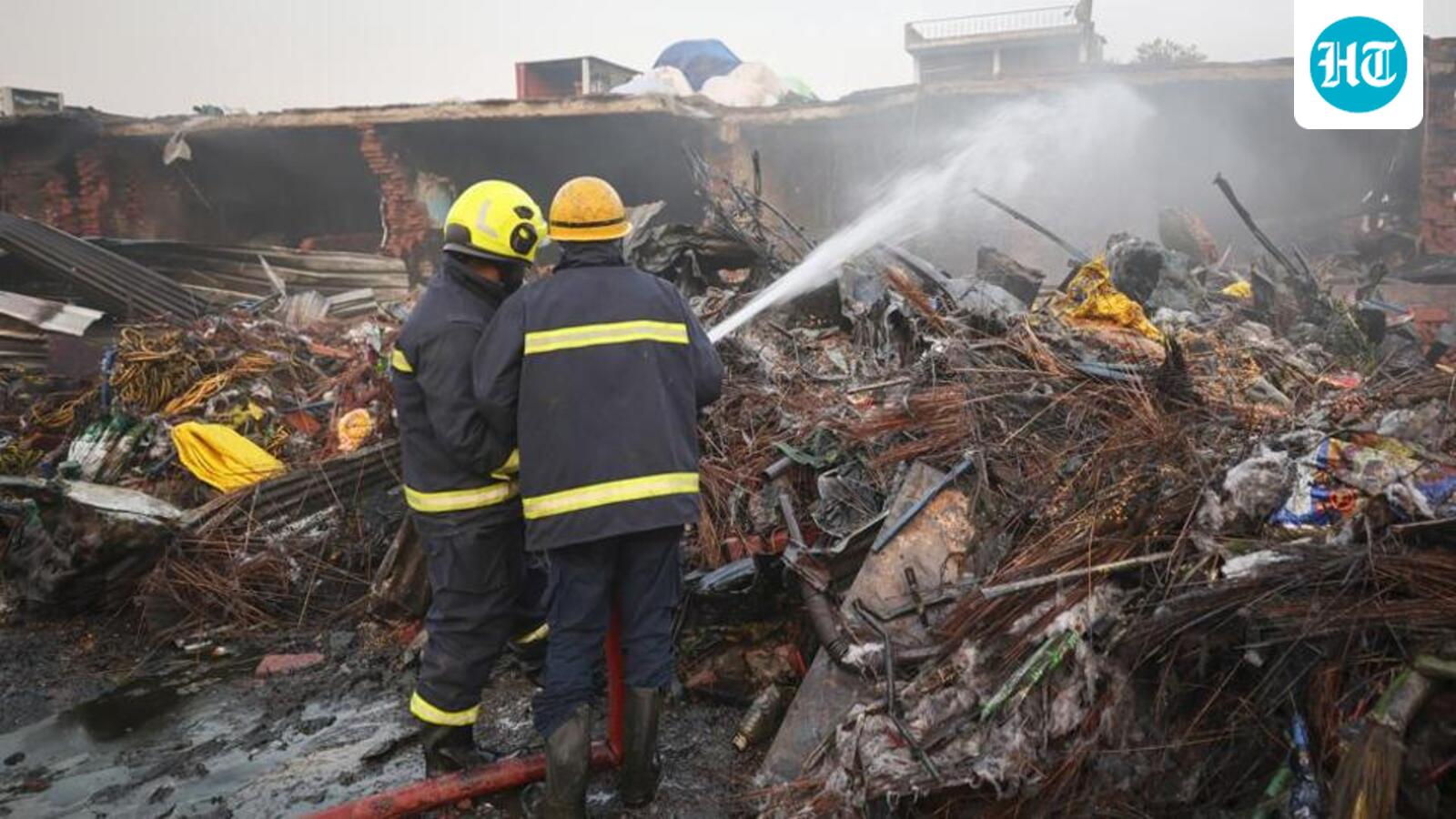
The most serious dispute concerns the emergency response. Warehouse Traders Federation president Deepak Gupta alleged that fire tenders arrived approximately 90 minutes after the outbreak. According to his account, the delay allowed the flames to spread through adjoining establishments.
The Fire and Emergency Services Department gave a sharply different account. It said the emergency call was received at 9:18 PM and that three fire tenders reached the market within ten minutes. It referred to CCTV footage showing additional vehicles moving through Asian Hotel Crossing at 9:38 PM. The department said 18 fire tenders were ultimately mobilised and the fire was brought under control in approximately an hour and a half, followed by cooling operations.
Both accounts cannot simply be accepted without examination. There is an important distinction between when a fire first broke out, when authorities received the first notification, the arrival of the first vehicle and the arrival of sufficient resources to begin effective firefighting.
A vehicle reaching the general vicinity is not necessarily evidence that firefighters could immediately reach the burning premises. Equally, a witness's estimate of elapsed time cannot automatically overturn documented dispatch records.
The department should make available a verified sequence of events, including call logs, dispatch records, vehicle movements, relevant CCTV footage and the beginning of active firefighting. Traders' accounts should be documented alongside those records. Independent examination could establish whether there was an avoidable delay, operational difficulty, inadequate resources or no material failure.
Accountability requires evidence. So does the defence of public servants accused of negligence.
A city that cannot afford another disaster
The department pointed to exceptional pressure during Diwali. According to its statement, more than 60 fire incidents occurred across Jammu province within 24 hours, including 35 in Jammu district. Sixteen incidents were reported in that district over roughly five hours beginning at 7 PM on 8 November.
This context deserves serious consideration. Firefighters responding to multiple emergencies cannot be expected to be everywhere simultaneously. They work under dangerous conditions and often with limited information. Condemning them without a complete examination would be irresponsible.
Nevertheless, the figures raise questions about preparedness. Diwali is an annual festival. The increased risks associated with fireworks, crowded markets, combustible goods and concentrated commercial activity are foreseeable.
Were enough appliances and personnel available? Were additional units positioned near vulnerable markets? Were access routes inspected beforehand? Were establishments advised on fire precautions? Were hydrants functioning and water supplies adequate?
The point is not to presume failure. It is to determine whether known risks had been addressed, and whether the city's firefighting capacity requires reinforcement.
The warehouse problem existed before the fire
Warehouse–Nehru Market is not an ordinary shopping street. Its role in the wholesale movement and storage of essential commodities makes it a significant part of Jammu's commercial infrastructure. Where combustible goods are stored close together, fire can spread rapidly and become exceptionally difficult to contain.
Traders have raised a longstanding grievance concerning relocation of warehouse operations. The Indian Express reported their complaint that a demand for land to construct alternative godowns remained unresolved.
What has successive government planning achieved for this wholesale centre? If traders repeatedly sought a safer, better-equipped location, how were their representations handled? Which departments considered them? Were sites identified? What prevented progress?
The same scrutiny must extend to fire safety. Were inspections conducted? Were deficiencies identified? Were corrective directions issued and enforced? Such questions require files, reports and decisions rather than political speeches.
When sympathy arrives before answers
Chief Minister Omar Abdullah directed assistance for affected traders. Lieutenant Governor Manoj Sinha also sought relief measures. Deputy Chief Minister Surinder Choudhary and minister Javed Rana visited the market and faced frustration from business owners. Government representatives indicated that the incident and complaints about the emergency response would be examined.
Opposition leaders visited too. Reporting by The Indian Express described traders confronting BJP leaders over what they considered a failure to safeguard Jammu's commercial interests. The discussion also revived concerns following the earlier Shiv Market fire near Jammu railway station.
There is something deeply troubling about a civic culture in which disaster is followed by a competition to demonstrate political concern. The public already knows politicians can express sympathy. It needs to know whether governments can prevent foreseeable harm, respond effectively to emergencies and provide credible assistance afterward.
That responsibility belongs to the institutions of government, irrespective of who holds office.
The people behind the losses
A shop destroyed by fire is more than a damaged building. It can represent years of investment, borrowed capital, accumulated stock and financial obligations extending beyond the premises. Suppliers await payments. Employees depend on wages. Families may have committed savings to inventory that can no longer be sold.
Even where insurance exists, recovery can involve assessment, documentation and delay. For the uninsured, the consequences may be devastating.
The administration must do more than announce an aggregate estimate. It should identify affected businesses, document verified losses, determine immediate needs and clearly explain available relief. An announcement of assistance is not the same as actual disbursement.
A transparent account of claims received, claims assessed and payments made would give traders evidence that their recovery is being taken seriously. The fate of workers and smaller establishments deserves particular attention.
The inquiry Jammu deserves
An investigation can fail by searching for a convenient scapegoat while overlooking structural weaknesses. It can accept official explanations without independent scrutiny, treat allegations as established fact, or produce recommendations that disappear into government files.
A credible inquiry must establish the chronology of the fire, its cause where determinable, the adequacy of the emergency response, the condition of fire-safety infrastructure and any weaknesses in prevention or management.
If negligence is established, responsibility should follow the evidence. If firefighters acted promptly and within available resources, that conclusion should be stated just as clearly.
The inquiry must also consider the condition of the market before the fire. It would serve little purpose to determine that the first tender arrived on time while leaving unresolved the vulnerabilities that allowed so much property to be threatened.
Jammu should insist on the records
The debate has already produced anger, allegations and competing political claims. What it still needs is a reliable public account. A verified incident timeline, independent damage assessment, fire-preparedness review and clear relief schedule should be the minimum expected response.
Traders deserve fair treatment. Firefighters deserve a fair examination of their actions. Taxpayers deserve to know whether public safety arrangements are adequate. Above all, Jammu deserves assurance that lessons from this disaster will lead to changes before another market catches fire.
The true measure of official concern will not be the number of dignitaries who visited Warehouse–Nehru Market. It will be the businesses that recover, the deficiencies that are corrected and the records that are made public.
The fire is over. Jammu's questions are not.