When a Name Disappears From the Voter List
An electoral roll is supposed to answer one administrative question: who is entitled to vote in a particular constituency. In India, that question is becoming entangled with a far more consequential one: who is entitled to belong. Reuters reported on 16 November that people removed from voter lists in parts of the country have in some cases subsequently faced detention, citizenship scrutiny or deportation proceedings.
The nationwide revision deleted about 130 million names, according to the Reuters report. In West Bengal, Muslims accounted for roughly 70 per cent of 2.7 million names removed after review, while Muslims make up about 27 per cent of the state’s population. The Bharatiya Janata Party denies that citizens are being targeted on religious grounds. Home Minister Amit Shah has publicly linked the exercise to identifying and expelling people described as infiltrators.
The legal distinction is crucial. Removal from an electoral roll does not establish that a person is a foreign national. Electoral registration and citizenship determination are governed by different laws, evidence and procedures. A voter can disappear from a list because of duplication, relocation, death, documentation problems or administrative error. Treating that deletion as evidence of foreign citizenship risks collapsing two separate state functions into one.
Reuters interviewed families who said relatives were detained or deported after losing their place on the rolls. One woman, Sahida Fakir, was allegedly pushed into Bangladesh despite family records showing generations of Indian voting history. Her family is challenging the deportation. Authorities have disputed aspects of the broader criticism and deny that West Bengal operates permanent detention camps.
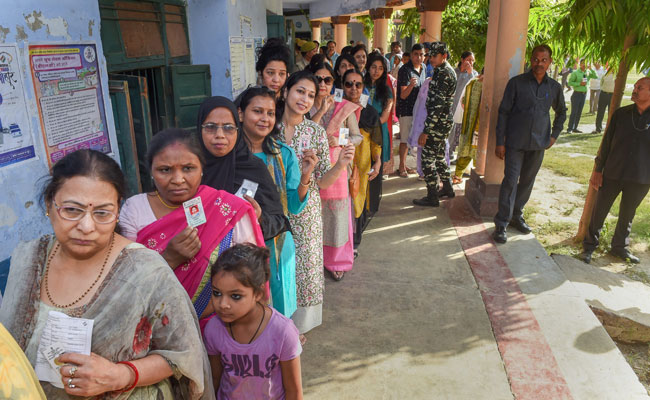
The Election Commission’s own voting guidance makes clear that a voter must appear on the electoral roll and produce the prescribed identification before voting. But the deeper democratic principle is that the state must provide an intelligible, accessible and timely route to correct wrongful exclusion. A system handling tens of millions of deletions cannot rely on slow tribunals and fragmented documentation without creating serious human consequences.
This is particularly important in India because identity records are uneven. Birth registration historically varied by region, older generations often possess inconsistent spellings, women may change addresses or surnames after marriage, migrant workers move frequently and poor households can lack continuous documentary trails. Administrative neatness can therefore collide with lived reality.
The integrity of voter rolls matters. Duplicate and fraudulent entries should be removed. But the legitimacy of that exercise depends on equal treatment, transparent reasons, notice, appeal and a wall between electoral housekeeping and punitive citizenship action. A democracy should know who its voters are. It must be even more careful before deciding who its citizens are not.