The Middle East’s War Keeps Changing Shape
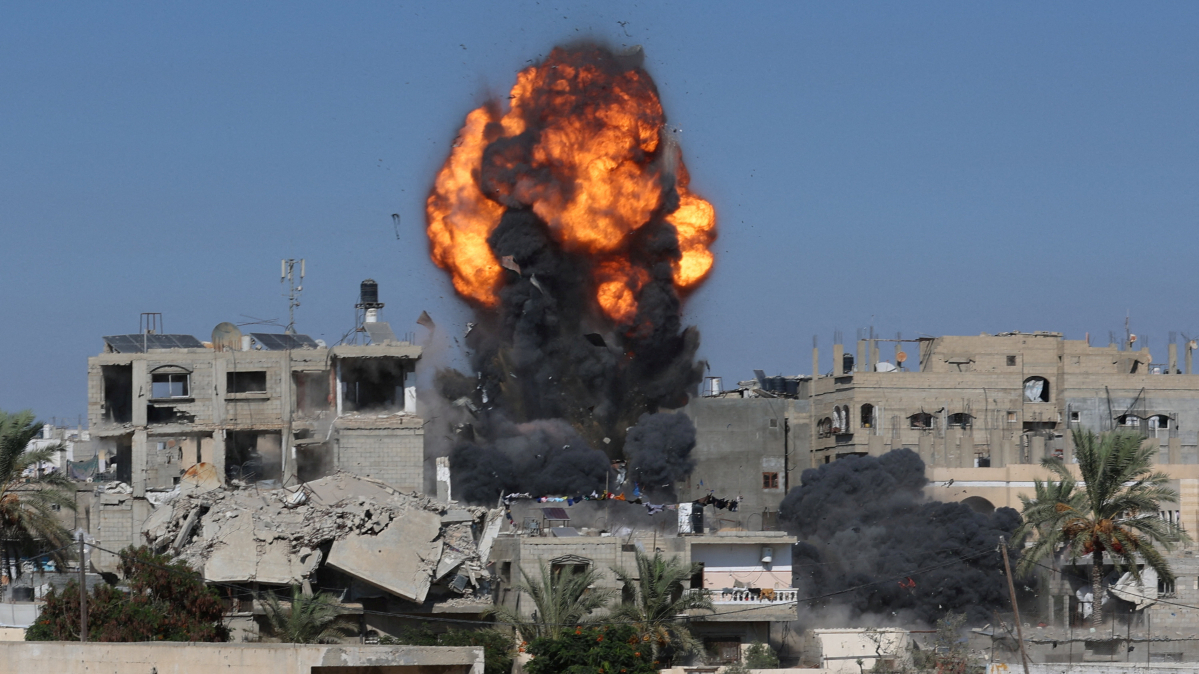
The Middle East entered another week with the geography of conflict widening rather than settling. Israeli forces said an overnight air strike in southern Gaza killed Hamas commander Samir Mahmoud Hassan Abu Younis, whom Israel accused of planning attacks. Hamas confirmed his death. The killing is another reminder that even where front lines appear quieter, targeted warfare continues to reshape command structures and retaliation calculations.
At the same time, Jordan sentenced three men to death over a shooting at a Greek Orthodox Church funeral that killed nine people and wounded dozens. Yemen’s Houthis announced the release of hundreds of detainees while their opponents withdrew from positions near the Bab el-Mandeb Strait, a maritime choke point whose security matters far beyond Yemen.
These events are not a single war. They are connected crises layered across Gaza, Jordan, Yemen, Iran and the Red Sea. Each has its own actors and history, but escalation in one theatre can alter security calculations in another. Shipping, oil prices, airline routes, refugee flows and diplomacy all respond to that interconnected risk.
The political problem remains the absence of a durable regional settlement capable of surviving military shocks. Tactical victories can remove commanders. They do not by themselves answer who governs, who guarantees borders, how civilians are protected or how armed movements are disarmed. The Middle East remains trapped between immediate security demands and the unresolved political questions beneath them.