Fireworks in the Flight Path: How Diwali Celebrations Put India’s Aviation Safety on Alert
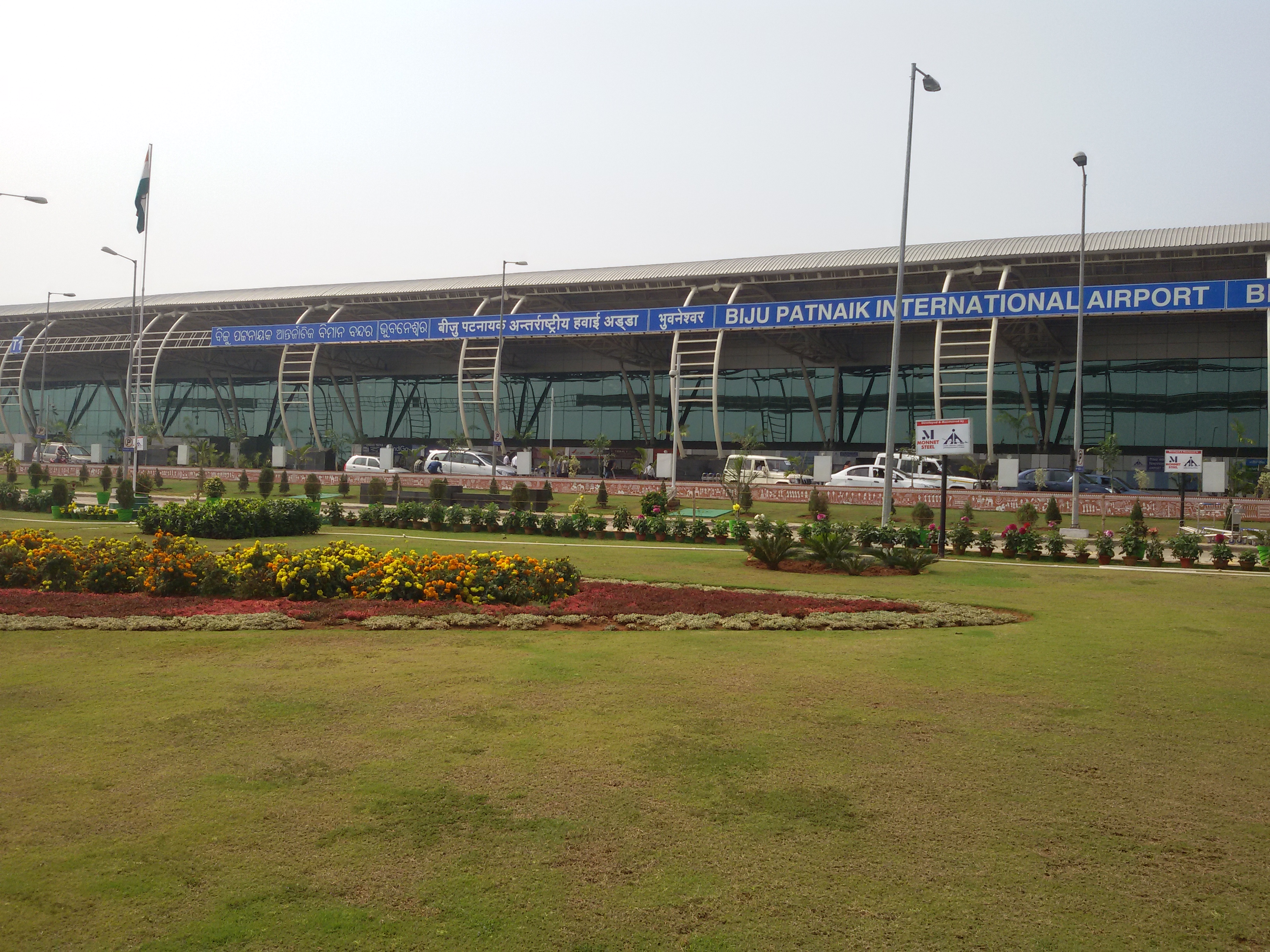
BHUBANESWAR / CHENNAI, 10 November 2026. A commercial aircraft descending towards an airport should never have to contend with fireworks, burning lanterns or celebratory objects drifting into its flight path. Yet that is precisely the danger that emerged from India’s Diwali celebrations on Sunday night, when sky lanterns entered the approach area at Bhubaneswar airport and thick firecracker smoke interfered with aviation operations hundreds of kilometres away in Chennai.
A widely circulated video shared on 9 November by the verified X account Gaurav, @k_gauravs, appears to show a nighttime view from an aircraft window. The accompanying claim alleged that fireworks struck an Air India aircraft near Bhubaneswar. The clip has provoked public alarm, but that claim must be distinguished from the findings reported by local airport officials.
A Warning on the Approach Path
According to the account of Biju Patnaik International Airport officials published on 9 November, several sky lanterns floated towards routes used by aircraft preparing to land. The airport alerted air traffic control and local police. Pilots of IndiGo flights reportedly expressed concern about the airborne objects seen during descent.
Airport Director Prasanna Pradhan said personnel found about a hundred used lanterns in operational areas on Monday morning, including some near parked aircraft. Sources indicated that lanterns may have originated from Baramunda, Khandagiri and Jagamara, residential localities close to the airport’s approach routes. Wind could carry these uncontrolled objects into places where aircraft and ground staff are operating.
Pradhan also referred to crackers coming close to the flight approach path during an earlier Ravan Podi celebration. That detail merits investigation. If this problem had already been observed, what precautions were strengthened before Diwali? Which authorities monitored nearby launches, and how were residents warned?
Chennai: An Actual Operational Disruption

In Chennai, the danger was visible in flight operations themselves. Local reports citing airport sources said firecracker smoke affected 26 services on Sunday night, delaying 11 arrivals and 15 departures. Smoke reduced runway visibility and required controllers and pilots to monitor conditions carefully.
IndiGo flight 6E2002 from Raipur was scheduled to land in Chennai but diverted to Bengaluru when the pilot found visibility below the minimum specified for the approach. Airport authorities cited approximately 900 metres of visibility compared with a 950-metre requirement for runway 07. The aircraft subsequently returned to Chennai, arriving at about 1.54 a.m. on Monday.
The diversion was a precautionary safety decision, not evidence of a near-crash. Nevertheless, it demonstrated how widespread firecracker smoke can impose real costs and operational risks on a transport system that depends on precise visibility standards.
Celebration Cannot Override Safety
Diwali is a major national festival whose cultural and religious meaning should be respected. But its importance cannot justify uncontrolled fireworks or burning lanterns near airports. The issue is not whether people should celebrate. It is whether public authorities have ensured that celebrations take place without intruding into operational airspace or reducing critical runway visibility.
Aircraft approaching and leaving airports operate within carefully managed corridors. The pilots of a descending aircraft have limited flexibility and must adhere to strict procedures. An object released from the ground can drift in directions its owner neither intends nor controls. Smoke from many separate neighbourhood celebrations can accumulate across an airport even when each individual display seems insignificant.
The Viral Air India Claim Requires Verification
TCN has found reporting on the viral video, but has not independently authenticated the recording, its precise location, the date it was filmed, the aircraft shown, or physical contact between any firework and an aircraft. Crucially, the airport account reported that no aircraft had been hit. TCN therefore does not present the collision allegation as fact.
Air India, the Airports Authority of India and the Directorate General of Civil Aviation should clarify whether the footage relates to a particular flight, whether a crew filed an occurrence report, and whether any inspection or formal review was undertaken. A prompt public explanation would protect confidence in aviation safety while preventing an unverified claim from becoming accepted history.
Questions the Authorities Must Answer
Airport operators, civic authorities and police should establish whether vulnerable neighbourhoods were warned in advance, whether fireworks and sky lanterns near approach routes were restricted and monitored, how more than 100 lanterns reached airport operational areas, and what additional safeguards are now planned. Chennai’s smoke disruption deserves a comparable review of airport-adjacent firecracker activity and the measures available to protect visibility during major celebrations.
There is a tendency to judge a safety incident by whether disaster actually followed. If a plane lands safely, the near-hazard is forgotten. If a lantern does not hit an aircraft, the launch is described as harmless. But effective safety systems exist to identify and contain hazards before injuries or damage occur.
Bhubaneswar’s recovered lanterns and Chennai’s flight disruption are warning signs that deserve an official response. A society celebrating light should have no difficulty recognising its obligation to safeguard human life. The skies above India’s airports cannot be allowed to become uncontrolled extensions of the festivities below.
Bhubaneswar airport director and lantern recovery, Times of India, 9 Nov 2026
Chennai flight disruption, DT Next, 9 Nov 2026
Runway visibility and IndiGo flight details, Times of India, 9 Nov 2026
Coverage of viral claim, Curly Tales, 9 Nov 2026
Bhubaneswar archive photograph and attribution, Wikimedia Commons
Chennai archive photograph, Airports Authority of India